Dance Education for Children and Teenagers in Blagoveshchensk: A Parent’s Guide
Dance can be one of the most rewarding extracurricular activities for children and adolescents—building strength, coordination, social skills and creative confidence. This guide helps parents in Blagoveshchensk find the right program, understand what to expect at different ages, and support their child’s progress.
Why choose dance?
— Physical benefits: improved posture, flexibility, endurance and motor coordination.
— Cognitive and emotional gains: discipline, focus, memory (learning choreography), self-expression and stress relief.
— Social development: teamwork, respect for peers and instructors, stage confidence.
— Cultural enrichment: exposure to classical and folk traditions, modern styles and possible cross-border cultural exchange with nearby regions.
Popular dance styles for children and teens
— Ballet (хореография): strong foundation for technique, discipline and body awareness.
— Contemporary/modern: creative movement, musicality and expression.
— Hip-hop and street styles: energetic, social and appealing to teens.
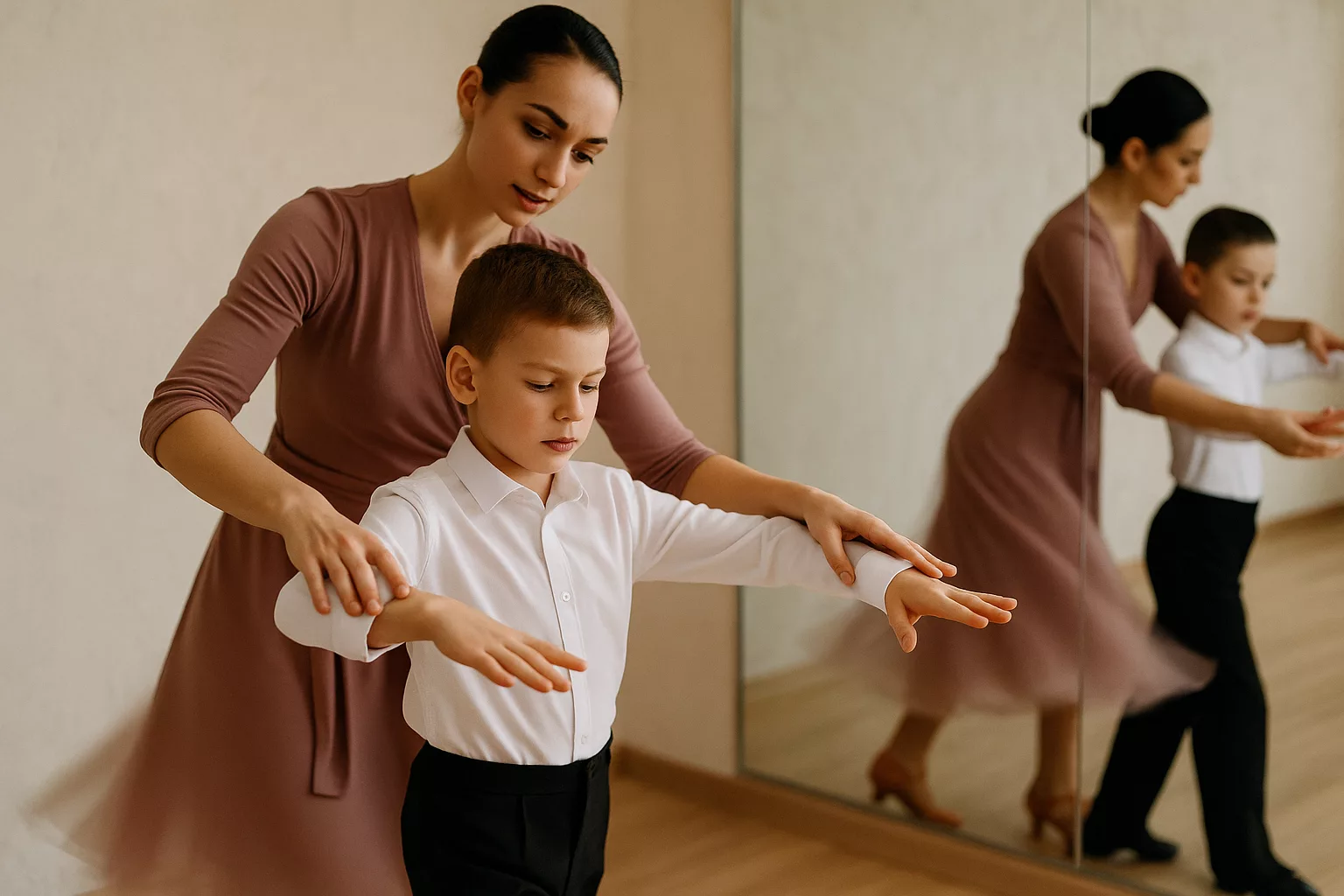
— Ballroom and Latin: partner work, rhythm and social etiquette.
— Russian folk dance: cultural heritage, group coordination and character.
— Commercial/jazz: performance skills and stage presence.
Age stages & realistic expectations
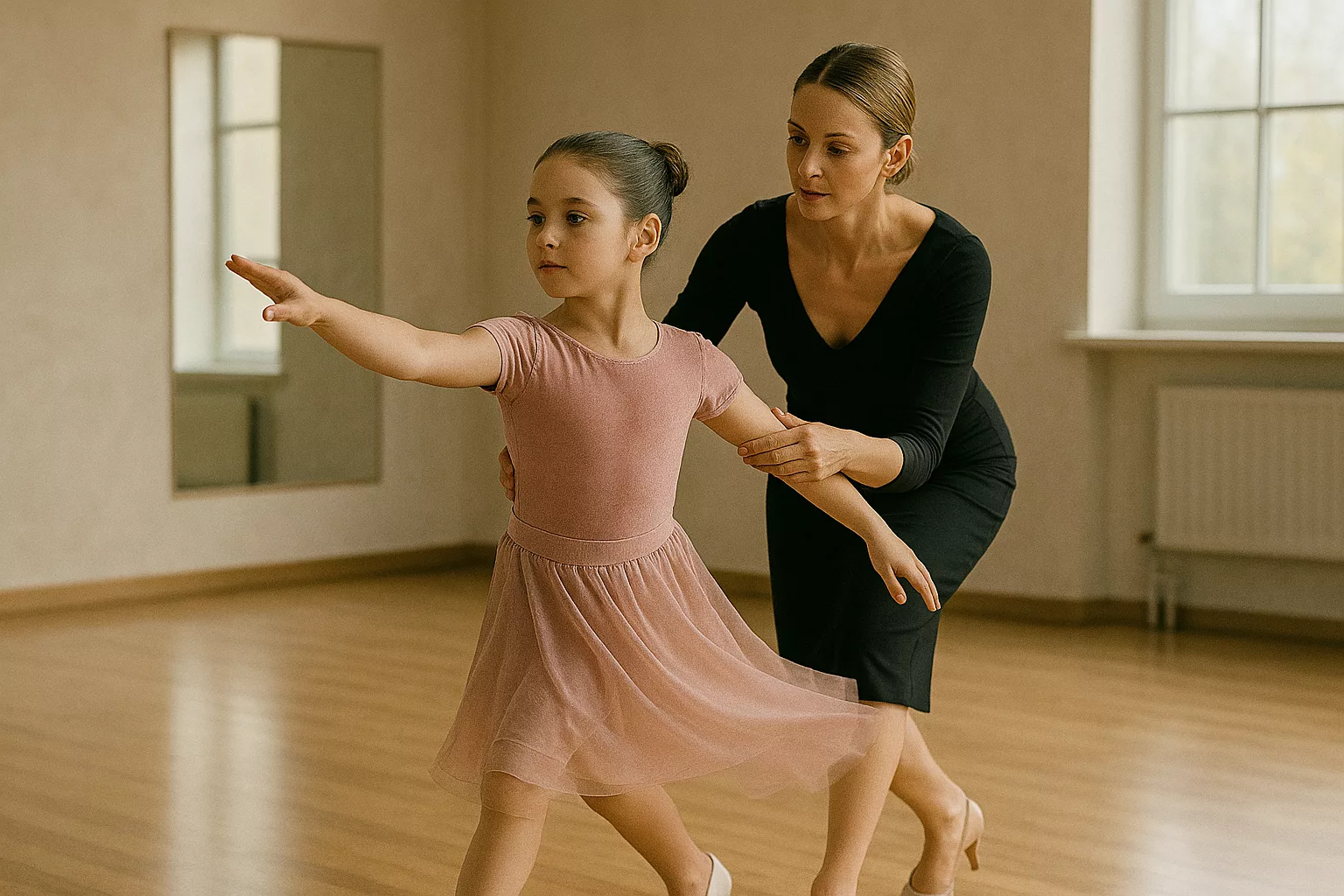
— 3–5 years (pre-school): playful movement, basic rhythm, short focused sessions (30–45 min). Emphasis on fun, motor skill development and simple coordination.
— 6–9 years (early school): introduction to basic technique, posture and simple routines. Classes 45–60 minutes.
— 10–14 years (middle school): more focused technique, strength work, combinations and beginnings of performance. Opportunity to try competitive or exam tracks.
— 15–18 years (teens): specialization (ballet, contemporary, commercial), audition preparation, exams, competitions and teaching assistant opportunities.
How to choose the right dance school in Blagoveshchensk
Look for:
— Qualified instructors with formal training or pedagogical experience.
— Clear age-appropriate curriculum and progressive skill levels.
— Small class sizes or assistant teachers for younger children.
— Safe space: sprung or cushioned floors, proper ventilation and emergency procedures.
— Trial lessons and transparent enrollment terms.
— Performance opportunities (recitals, local festivals) and community reputation.
— Positive reviews from parents and demonstrable student progress.
Typical class structure
— Warm-up (10–15 min): mobility, basic strength.
— Technique work (20–30 min): barre or core exercises for older kids; fundamentals for younger ones.
— Combinations/routine practice (15–25 min): choreography, partnering when applicable.
— Cool-down/stretch & feedback (5–10 min).
Sample weekly commitment:
— Beginners (once/week): 45–60 min — good for fun and basic fitness.
— Intermediate (2–3x/week): 1–1.5 hours — noticeable skill development.
— Intensive/Pre-professional (4–6x/week): multiple hours per day — for competitive or vocational tracks.
Costs & scheduling (what to expect)
— Fees vary by studio and program. Expect lower community-center rates and higher fees at specialized schools.
— Additional costs: shoes, attire, costumes for recitals, competition fees, occasional masterclasses.
— Ask about make-up classes, holiday schedules and policy for missed lessons.
Safety, health & injury prevention
— Ensure warm-ups are adequate and instructors teach safe technique.
— Proper footwear and floor surfaces reduce injury risk.
— Encourage cross-training and rest days—overuse injuries arise from repetitive strain.
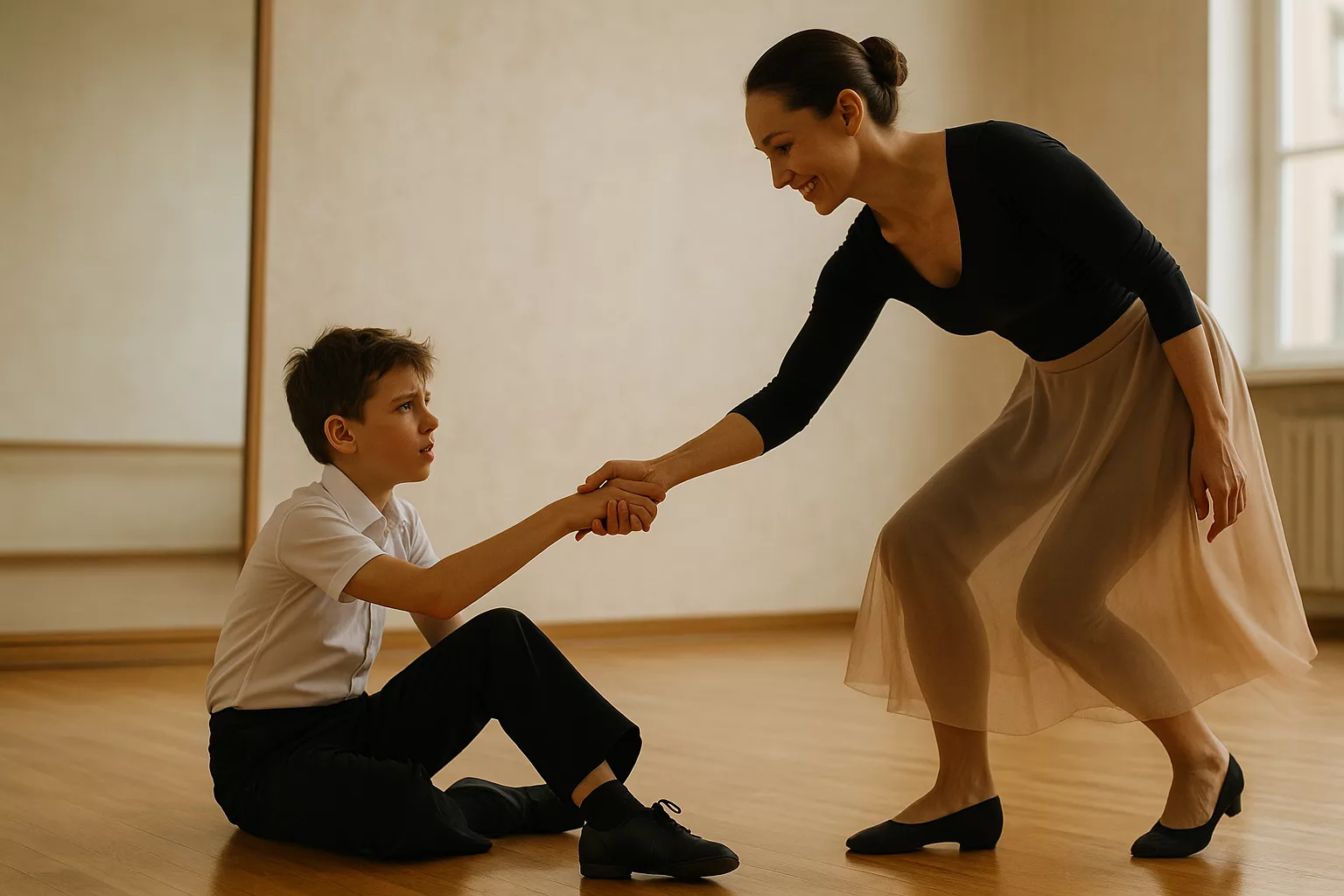
— Keep communication open—teachers should notice and respond to pain or fatigue.
Preparing your child for lessons and performances
— Choose comfortable, studio-appropriate clothing and correct shoes.
— Encourage consistency rather than perfection; practice short, focused at-home drills if suggested.
— Supportive parents: celebrate effort, not just trophies.
— For performances: help with simple routines at home, ensure adequate sleep and healthy meals.
Competitions, exams and progression
— Many studios offer in-house assessments, city festivals and regional competitions.
— Competitions can motivate but also add pressure—discuss goals with your child and instructors.
— Ask about pathways for serious students (pre-professional programs, auditions, teacher training).
Local opportunities in Blagoveshchensk
— Look for offerings at: community cultural centers, municipal dance schools, private studios and youth arts programs.
— Seasonal programs: dance camps and intensive masterclasses are often offered during school holidays.
— Community events and local festivals provide performance platforms—great for building confidence.
— Proximity to the border and cultural exchanges may create additional workshop or festival opportunities—ask studios about partnerships and guest teachers.
How to get started — parent checklist
— Book trial lessons at 2–3 different schools.
— Observe how instructors interact and how students respond.
— Ask about teacher qualifications, student progression and recital policies.
— Review safety measures and class size.
— Confirm price, schedule flexibility and any hidden costs.
— Check for parental involvement options and communication channels.
FAQs (brief)
— When should a child start ballet? Many start basic classes at 4–6 years; formal classical technique typically begins around 7–8.
— How many classes per week are ideal? For general development: 1–2 per week; for serious training: 3+ per week.
— Are competitions necessary? No—competitions are optional motivators and expose students to broader feedback.
Final thoughts
Dance education offers children and teenagers in Blagoveshchensk a powerful mix of physical fitness, artistic growth and social skills. Start with a few trial lessons, prioritize supportive instructors and steady progress, and let your child’s interest guide the journey. If you’d like, I can draft a list of questions to bring to trial classes or help create a sample monthly practice plan tailored to your child’s age and goals.