Why dance matters for kids and teens
Dance is more than movement — it builds coordination, confidence, social skills and creativity. For children and teenagers in Blagoveshchensk, regular dance classes also offer structured physical activity during long winters, opportunities to connect with local culture, and a way to express identity in a supportive community.
Key benefits:
— *Physical*: improved balance, flexibility, strength and cardiovascular fitness
— *Cognitive*: enhanced memory, attention and spatial awareness
— *Social/emotional*: teamwork, stage confidence, discipline and self-esteem
— *Cultural*: exposure to Russian folk traditions and contemporary styles
Popular dance styles for different ages
Local studios typically offer a range of styles suited to childhood and adolescence:
— Ballet (classical technique and early musical training)
— Contemporary / modern (creative movement, expression and choreography)
— Russian folk dance (cultural heritage, rhythm and ensemble work)
— Hip-hop and street styles (urban movement, rhythm, individuality)
— Jazz / musical theatre (performance skills, versatility)
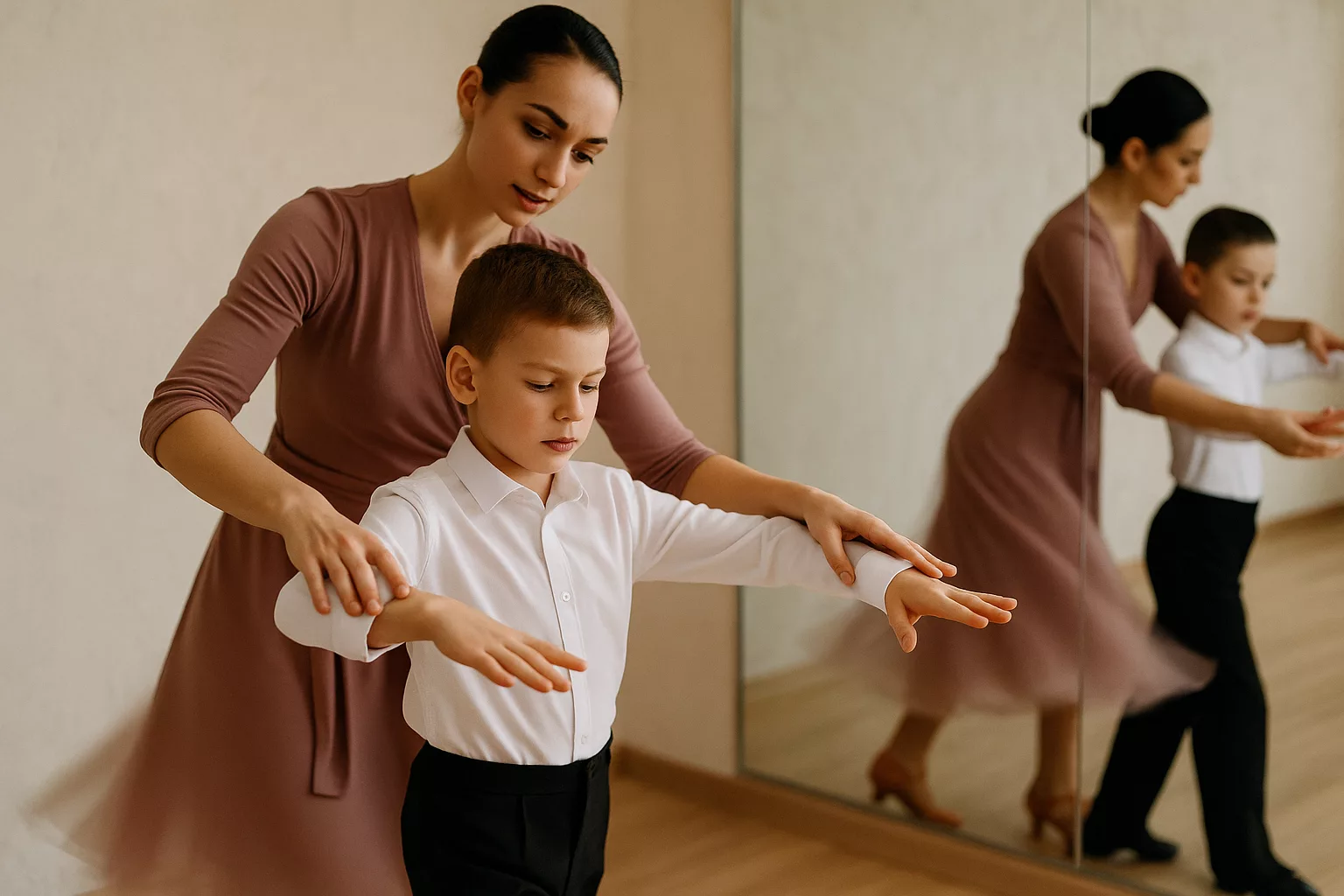
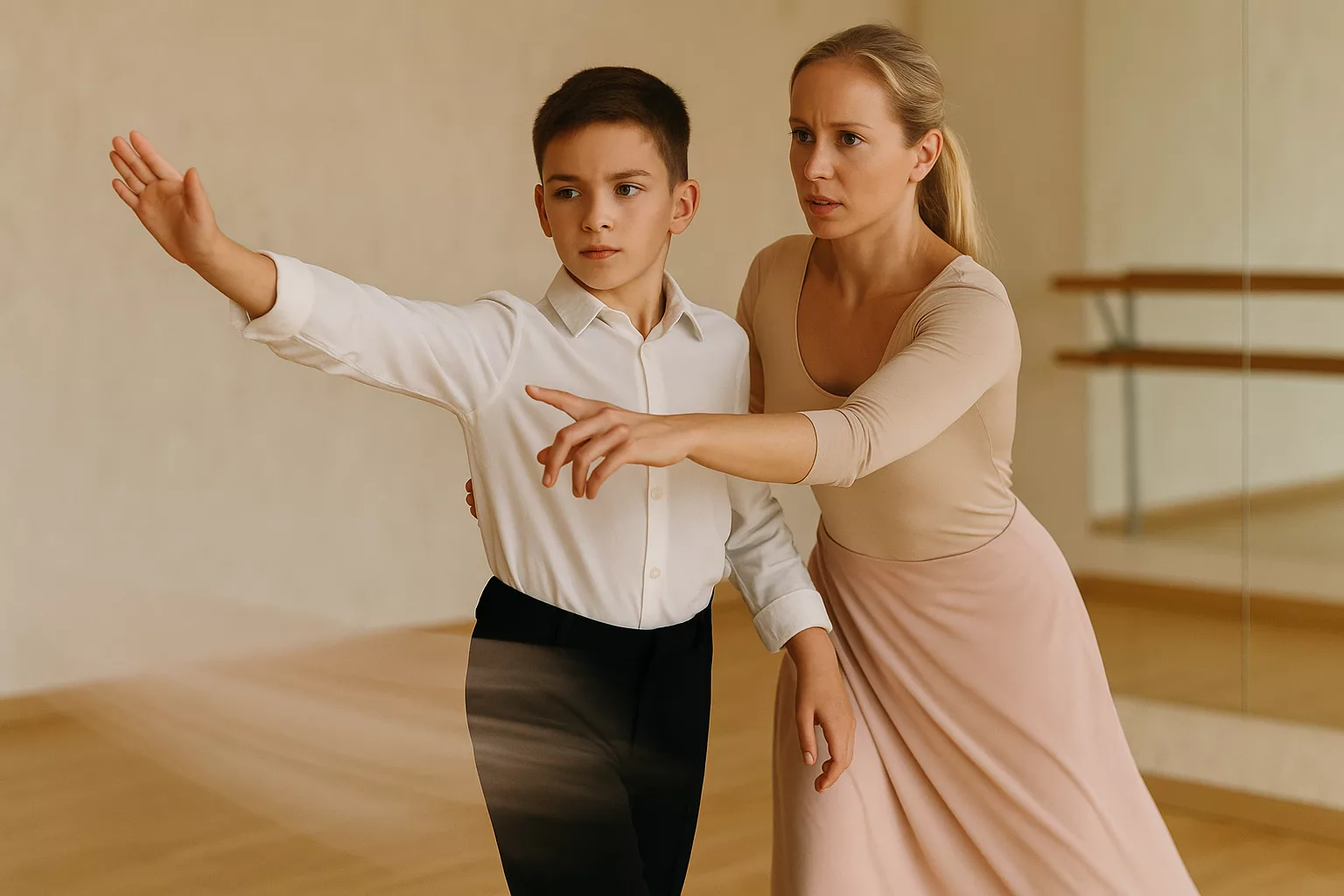
— Ballroom & Latin (partnering, posture, social dance)
Choosing the right studio in Blagoveshchensk
When evaluating schools or clubs, consider these practical points:
— Teacher qualifications and teaching style — ask about dance education credentials and experience with the student’s age group
— Class size and age grouping — small, age-appropriate groups give better attention and safer progression
— Facilities and safety — sprung floors, mirrors, appropriate heating, first-aid procedures
— Curriculum and goals — recreational vs. competitive tracks, performance opportunities, exams (if any)
— Trial lessons and open classes — a short trial shows if the child enjoys the teacher and format
— Schedule and location — consistency is important; find studios convenient for after-school routines
— Cost and transparency — tuition, costume fees, exam/competition travel and extras
Age-appropriate training and milestones
Preschool (3–6 years)
— Focus: fun, basic coordination, musicality and social skills
— Class length: 30–45 minutes; emphasis on play-based exercises
— Goals: develop rhythm, simple steps, listening and group participation
Primary school (7–12 years)
— Focus: technical foundations (ballet technique, posture), genre basics, teamwork
— Class length: 60–90 minutes; combination of technique and creative work
— Goals: improve strength and flexibility, basic choreography, stage experience
Teens (13–18 years)
— Focus: refinement of technique, style specialization, performance and audition prep
— Class length: 90–120 minutes; increased emphasis on conditioning, injury prevention
— Goals: advanced repertoire, choreography creation, competition/audition readiness
Sample weekly plan
— Preschooler: 1 class (45 min) + 10–15 min of guided play/stretching at home, 3× week
— Child (7–12): 2–3 classes (ballet + one genre) + weekend open rehearsal; 30–40 min home practice, 4–5× week total activity
— Teen: 4–6 classes (technique, conditioning, style classes) + rehearsal time; cross-training (swim, Pilates) 2× week
Preparing for performances and competitions
— Start early with low-pressure showcases; adopt a positive rehearsal routine
— Costume timelines: expect dress rehearsals 1–2 weeks before events
— Travel and logistics: confirm schedules well ahead; factor in warm-up space and food/rest for kids
— Judging/feedback: teach teens to view critique as growth, not failure
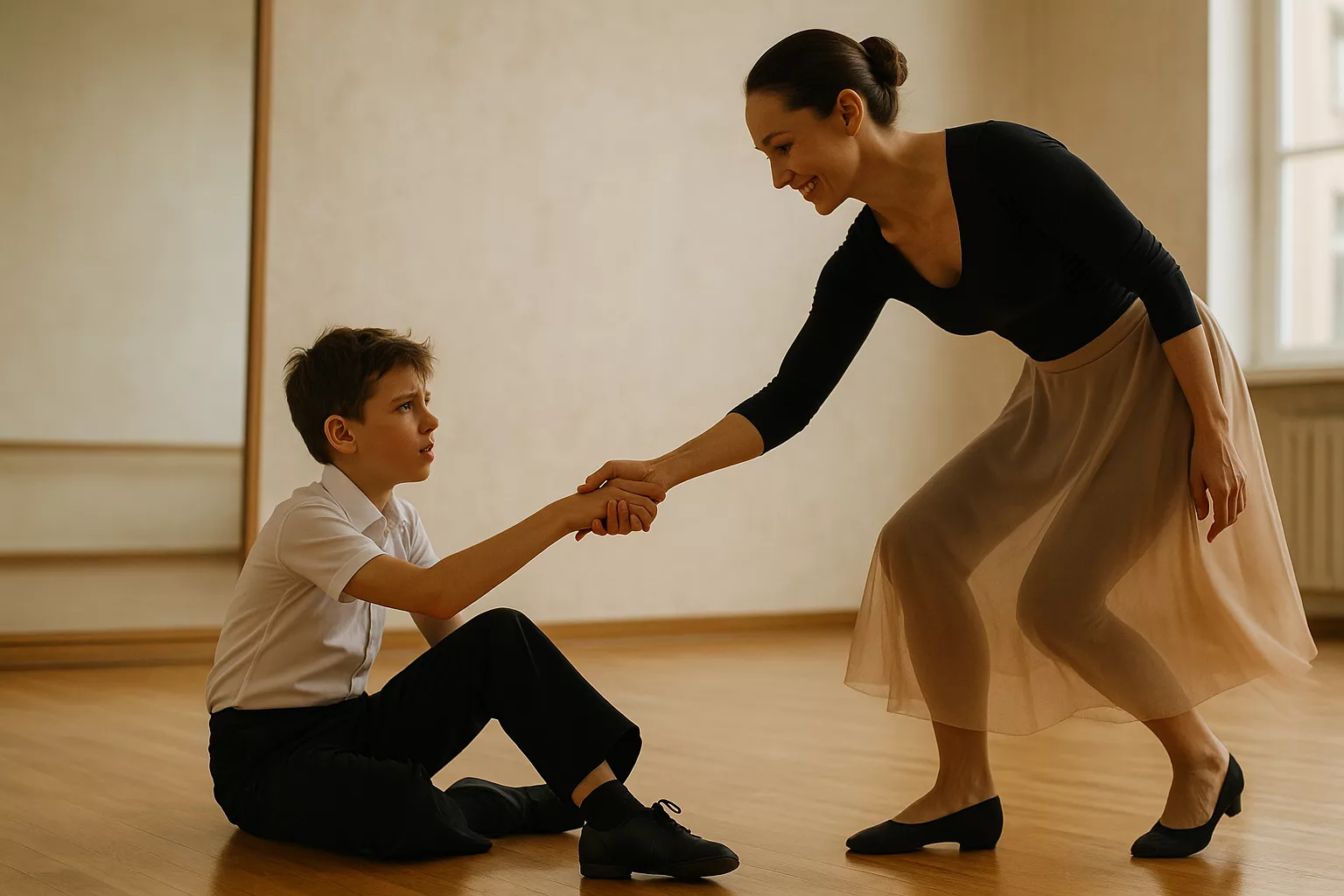
Health, safety and injury prevention
— Proper warm-up and cooldown every session
— Age-appropriate technique progression — avoid pushing too much turnout/flexibility too soon
— Cross-training and rest days to prevent overuse injuries
— Nutrition and hydration — balanced meals and regular water, especially on rehearsal days
Practical tips for parents
— Encourage consistency rather than perfection; progress is gradual
— Pack a small kit: water bottle, hair ties, plasters, snacks, spare socks/leg warmers
— Support home practice with short, positive sessions — praise effort, not just outcome
— Communicate with teachers — regular feedback helps align goals and expectations
— Budget for extras: costumes, exams, travel, shoes — ask studios for payment plans or scholarships
Finding opportunities in Blagoveshchensk
Look for programs at:
— Local dance studios and private schools
— Children’s art and culture centers, music and choreography schools
— Community centers, sports clubs and municipal cultural houses
— Seasonal festivals, city cultural events and youth competitions
Ask about trial classes, open rehearsals and end-of-year concerts — these are great ways to evaluate a studio and for children to gain confidence.
Final thoughts
Dance in Blagoveshchensk offers children and teenagers a powerful combination of physical training, cultural enrichment and creative outlet. Choose a studio that prioritizes safety, age-appropriate teaching and joyful learning. Start with a trial class, stay consistent, and let progress unfold — most importantly, keep dance fun.