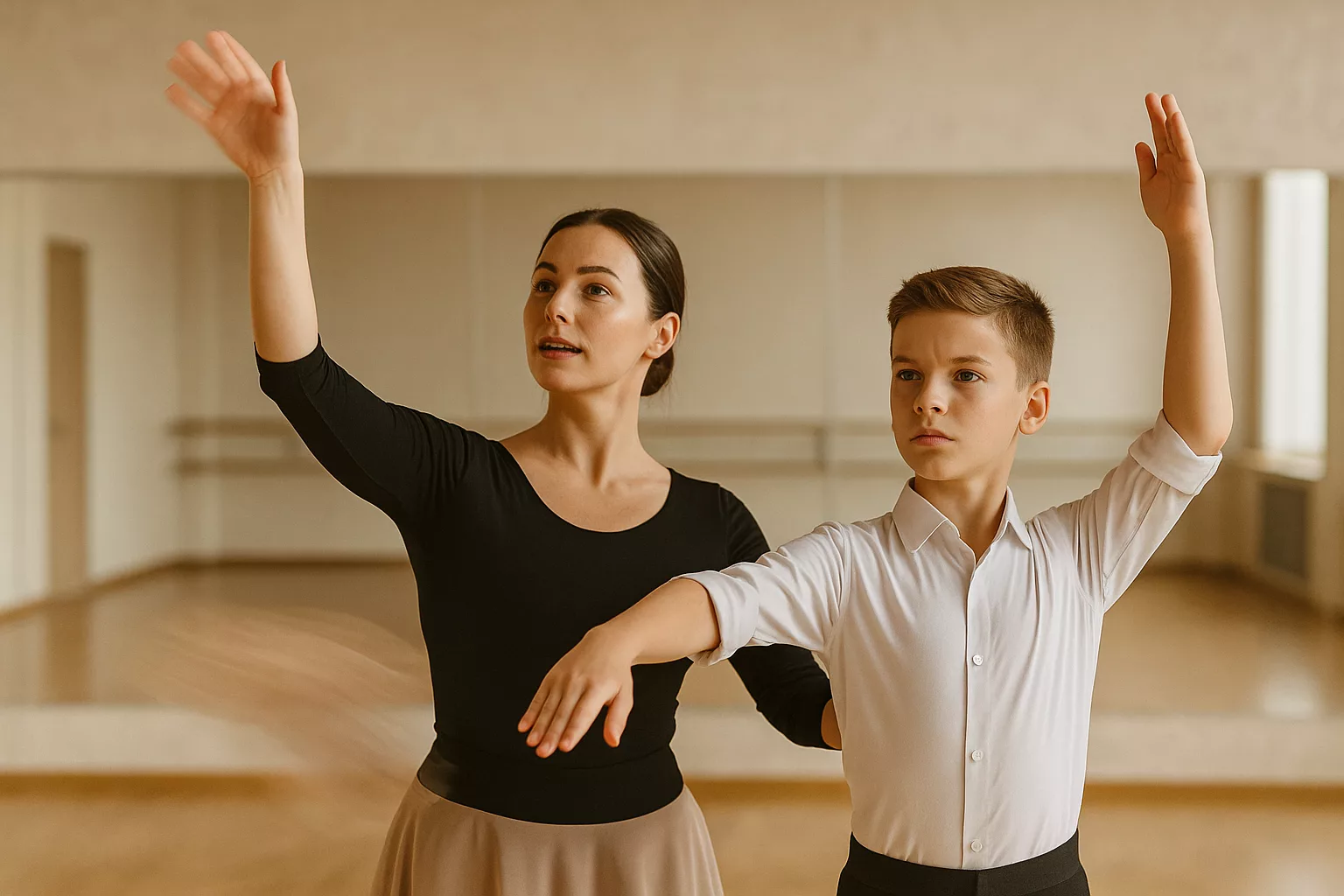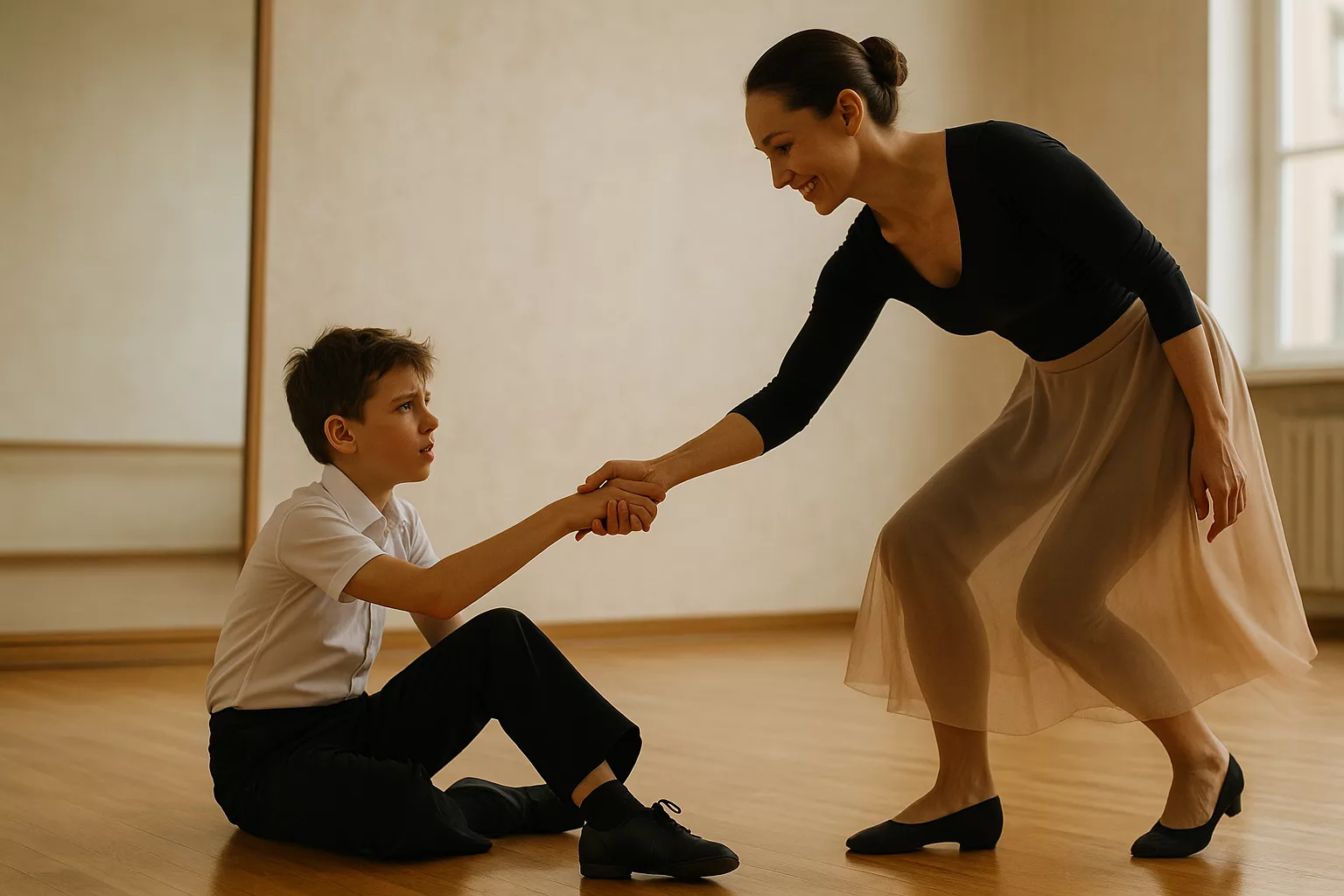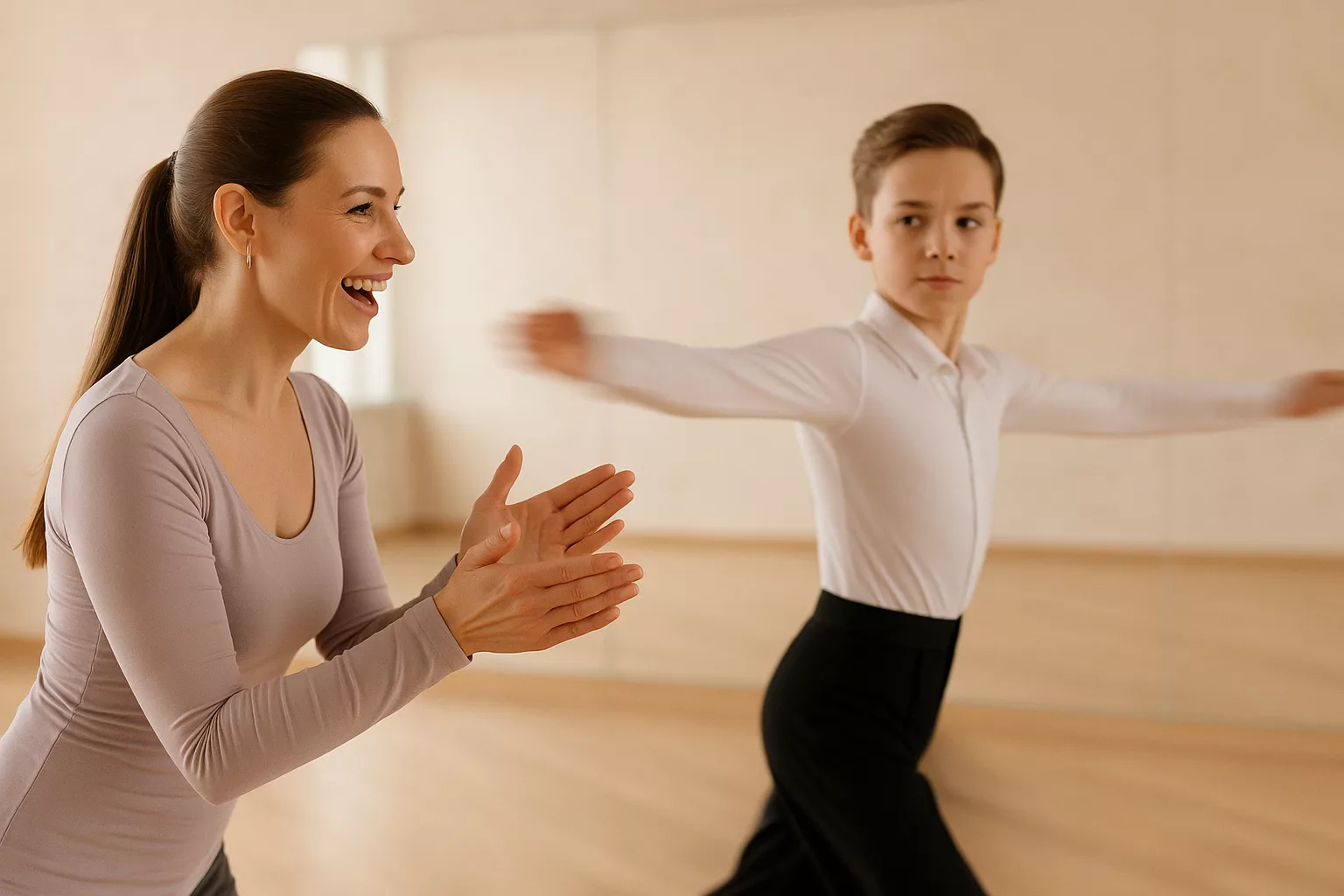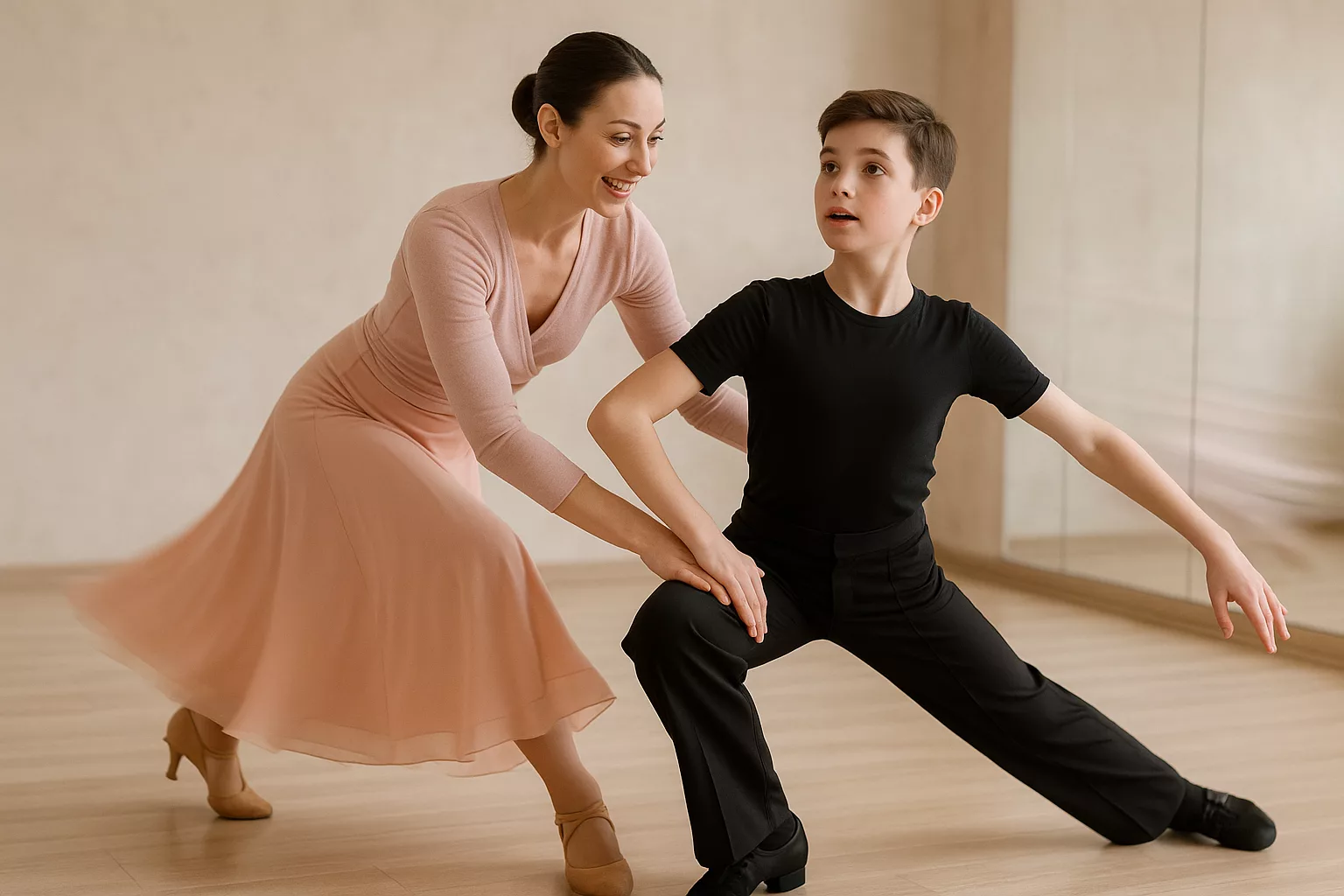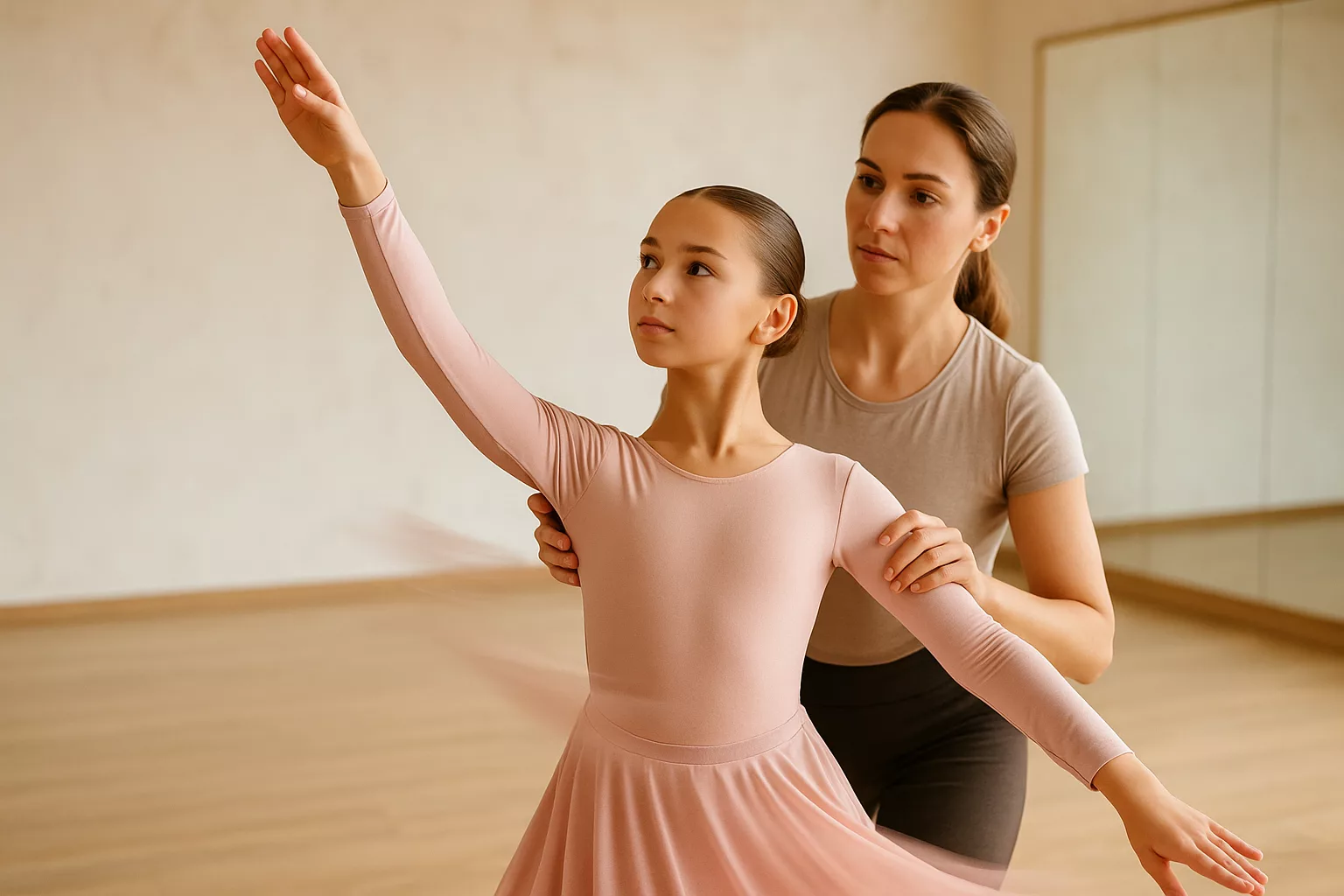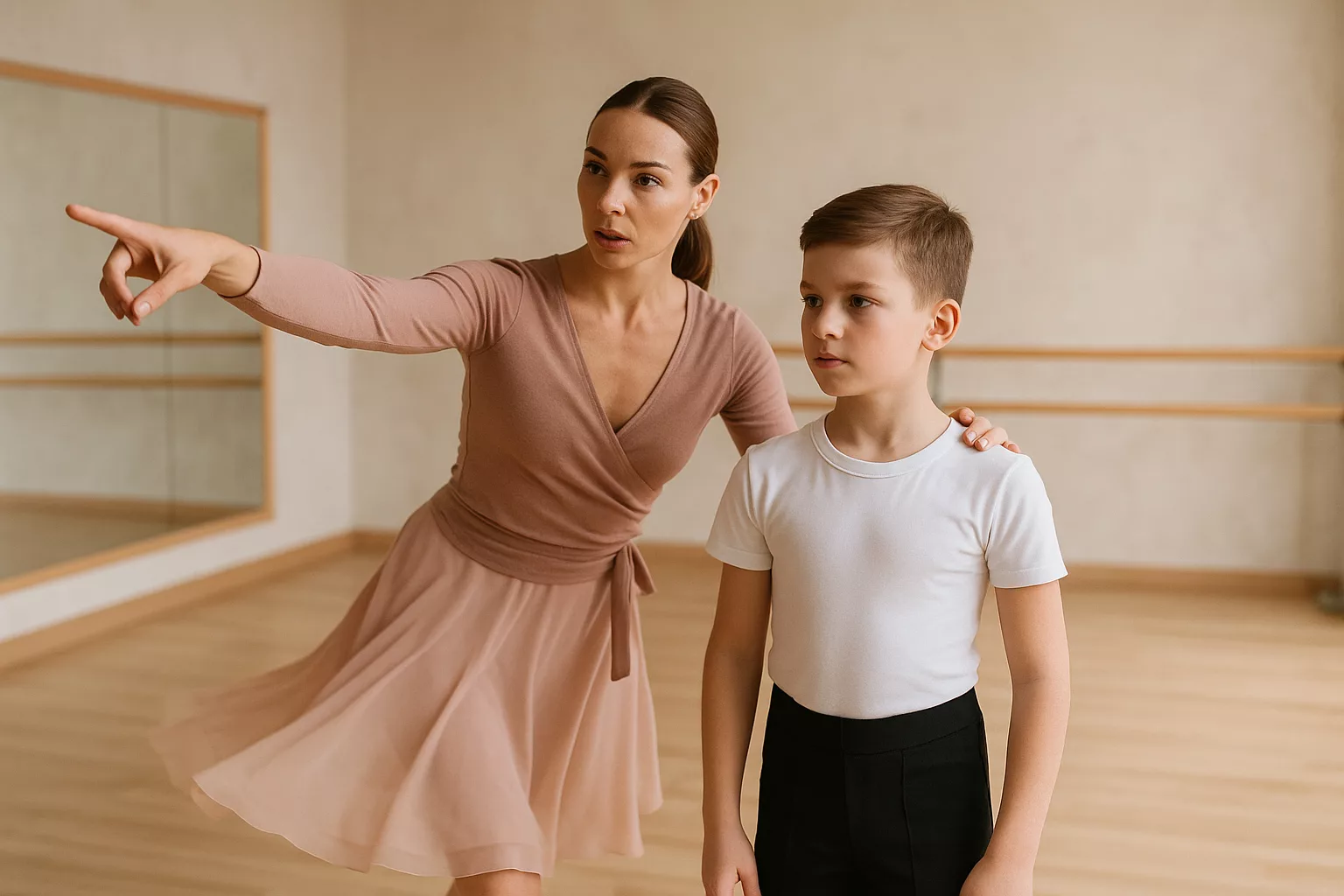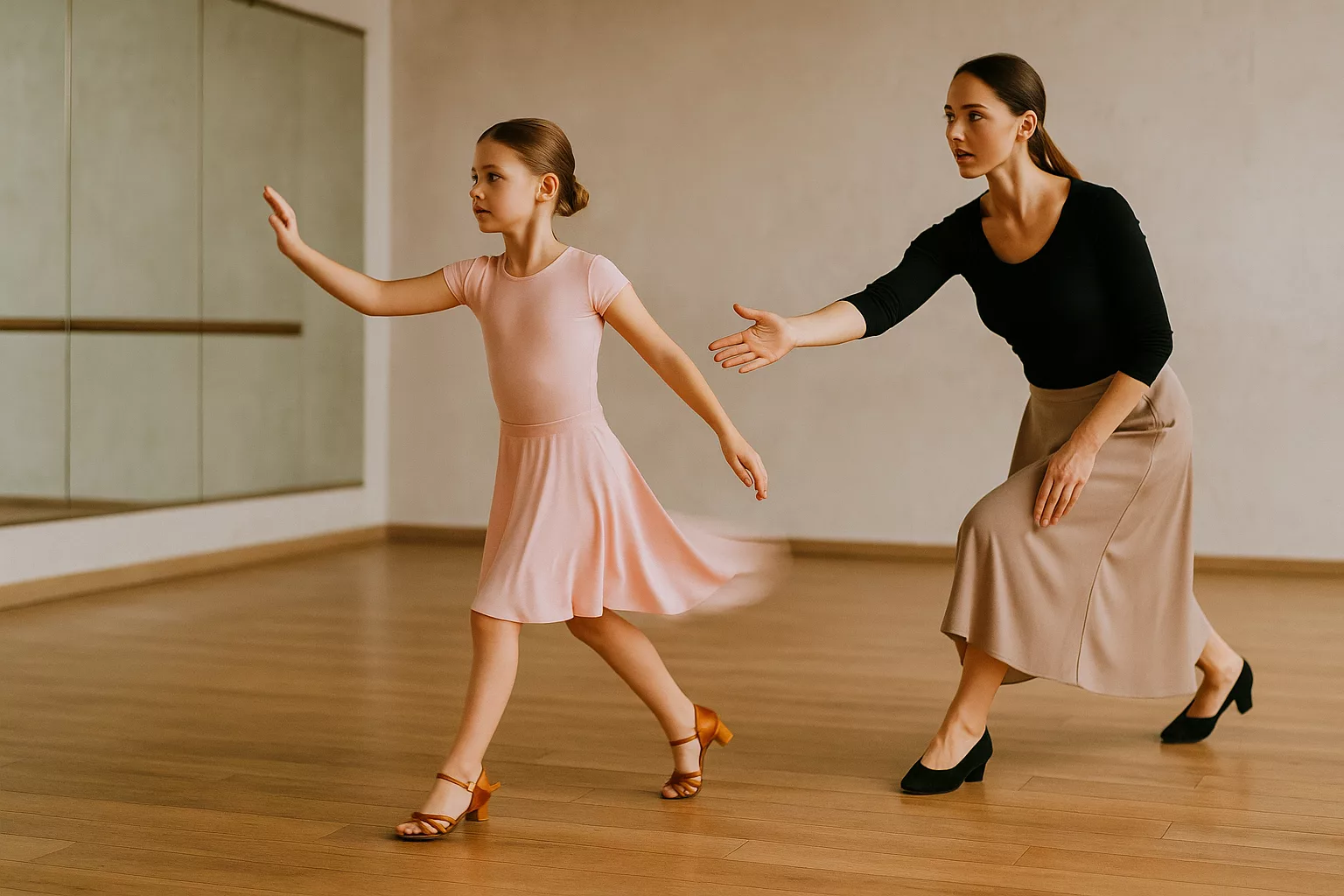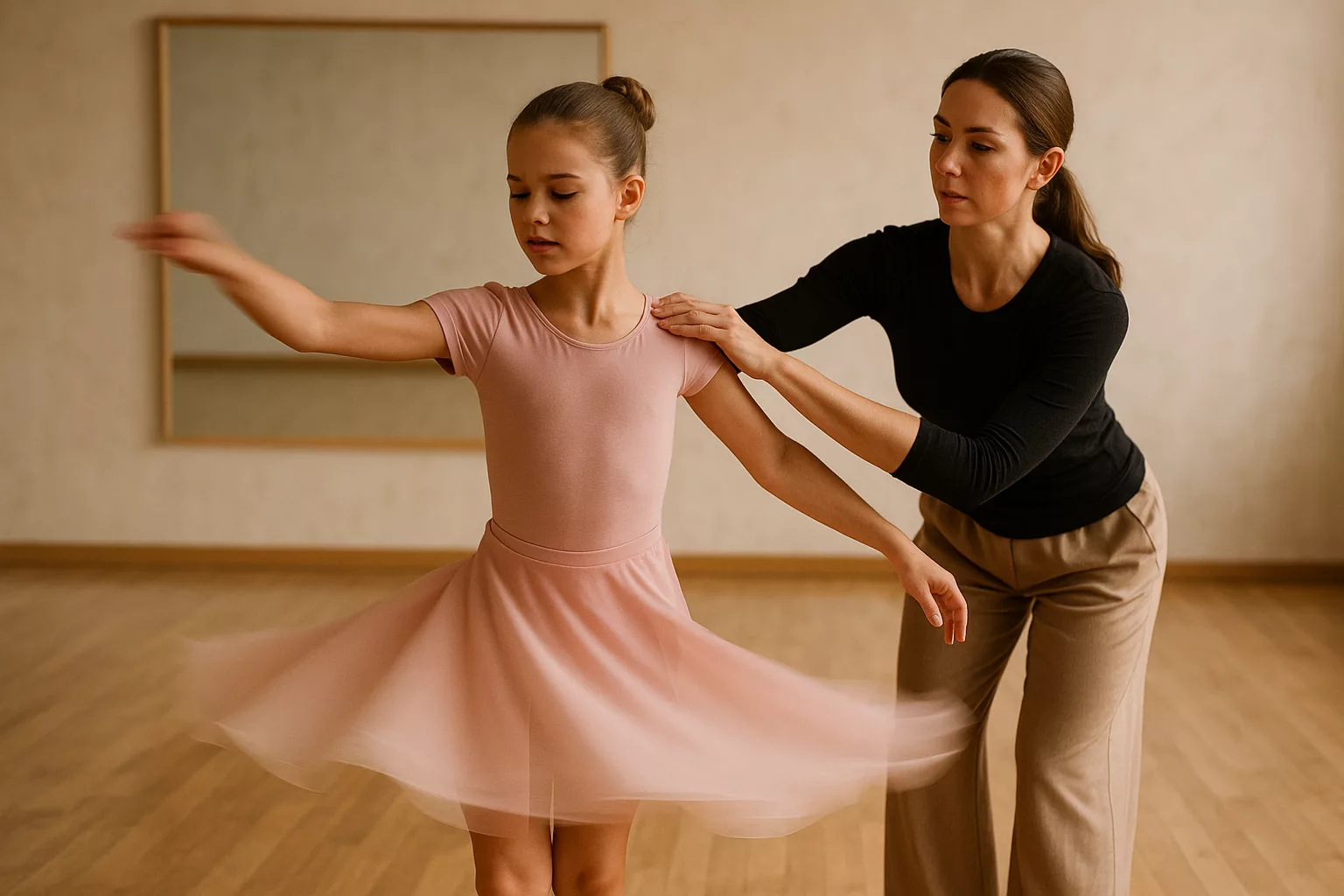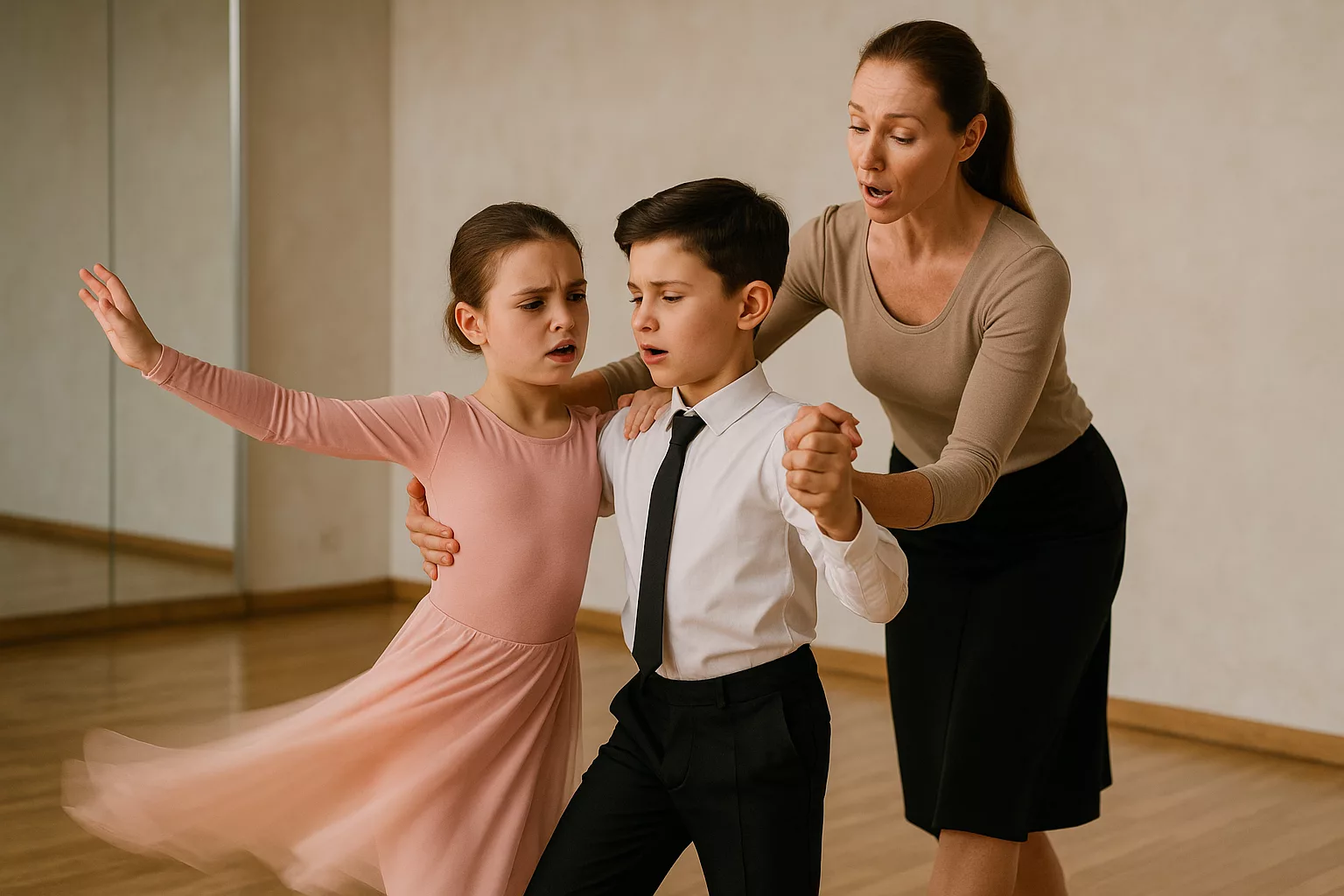
Why dance in Blagoveshchensk?
Dance builds confidence, coordination, and creativity — all valuable for growing children and teenagers. In Blagoveshchensk, with its active cultural scene and community centers, dance education is an accessible and rewarding way for young people to develop physically, socially, and artistically.
Key benefits of dance for kids and teens
— Physical fitness: improves strength, flexibility, balance, and posture.
— Emotional growth: boosts self-esteem, reduces stress, and encourages emotional expression.
— Social skills: fosters teamwork, discipline, and communication.
— Cognitive development: enhances memory, spatial awareness, and concentration.
— Cultural exposure: introduces music, movement traditions, and performance etiquette.
Popular dance styles for different ages
— Preschool (3–6): *creative dance, basic ballet, rhythmic movement* — focus on fun, coordination, and musicality.
— Primary (7–11): *classical ballet, folk dance, jazz, hip-hop, contemporary* — technique plus group choreography.
— Teens (12–18): *ballet, contemporary, ballroom, street dance, competitive show styles* — more intensive training, performance and competition opportunities.
How to choose a dance school in Blagoveshchensk
Consider these factors when evaluating studios and programs:
— Reputation and credentials: look for experienced teachers, former performers, or pedagogical education.
— Class size and age grouping: small, age-appropriate classes give better attention.
— Curriculum and goals: clear progression, exams/assessments, and performance opportunities.
— Facilities and safety: sprung floors, clean studios, changing rooms, and emergency protocols.
— Trial classes and flexibility: opportunity to try before committing; convenient schedule.
— Community connection: involvement in local festivals, city cultural events, or youth programs.
Where to look locally:
— Municipal cultural centers and youth palaces.
— Private dance studios in central districts.
— School extracurricular programs and sports/dance clubs.
— Online local listings, VKontakte groups, and Yandex Maps for reviews and schedules.
What to expect in a first class
— Warm-up and simple exercises.
— Basic steps and rhythm games.
— Short choreography or creative play for younger children.
— Teacher feedback and a brief cool-down.
Bring:
— Comfortable clothes, appropriate shoes (ballet slippers, sneakers), a water bottle, and hair tied back.
Age-appropriate goals and progress
— Young children: develop joy in movement and basic motor skills.
— Elementary age: build technical foundations and begin simple group performances.
— Teens: refine technique, prepare for exams/competitions, or pursue teaching/choreography interests.
Performances, exams and competitions
— Many studios offer end-of-year recitals and local festival participation.
— For students aiming at a professional path, look for opportunities to take graded exams (ballet syllabi) or enter regional competitions.
— Performances build stage confidence and provide motivation — balance these with school commitments.
Safety and wellbeing
— Ensure teachers prioritize safe technique and gradual progression.
— Monitor for signs of overtraining: persistent pain, fatigue, drop in school performance, or loss of interest.
— Encourage balanced nutrition, rest, and cross-training (swimming, gymnastics, general fitness).
Cost, schedules and logistics in Blagoveshchensk
— Prices vary by studio, class frequency, and instructor experience. Expect a range from affordable municipal programs to higher-priced private lessons.
— Consider travel time and seasonal factors — Blagoveshchensk winters can affect transport, so choose a convenient location or online options when available.
— Ask about make-up classes, holiday programs, and package discounts.
Tips for parents
— Start with a trial class and observe how the teacher interacts with children.
— Prioritize long-term progress over immediate results; consistency matters.
— Encourage practice at home but keep it positive — avoid pressure.
— Support performance experiences as learning, not just competition.
— Communicate with teachers about goals, health issues, and scheduling needs.
Getting started — a simple plan
1. Define your child’s interests (performance, social, fitness).
2. Research 3–5 local options and read reviews or ask other parents.
3. Book trial classes and compare teaching styles.
4. Choose a program that fits schedule and budget.
5. Reassess every 3–6 months to ensure progress and happiness.
Conclusion
Dance education in Blagoveshchensk can be a joyful, life-shaping experience for children and teenagers. With the right studio, supportive teachers, and realistic goals, dance becomes a source of physical health, artistic growth, and lasting confidence. Start with a trial class, stay involved, and let your child discover the rhythm that suits them.
For local listings, check municipal cultural centers, school programs, and regional social media groups (VKontakte) or search Yandex Maps for up-to-date schedules and reviews.