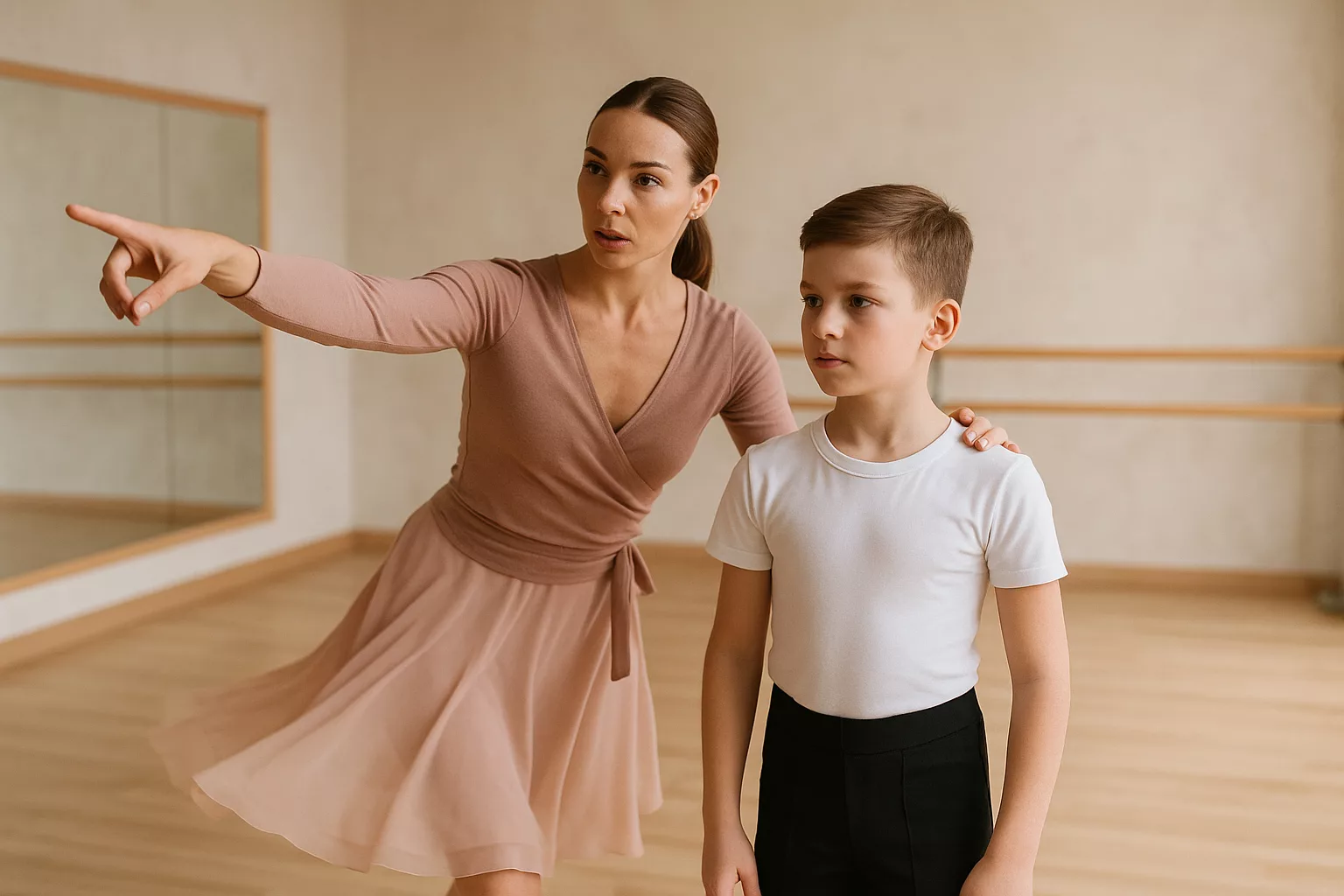
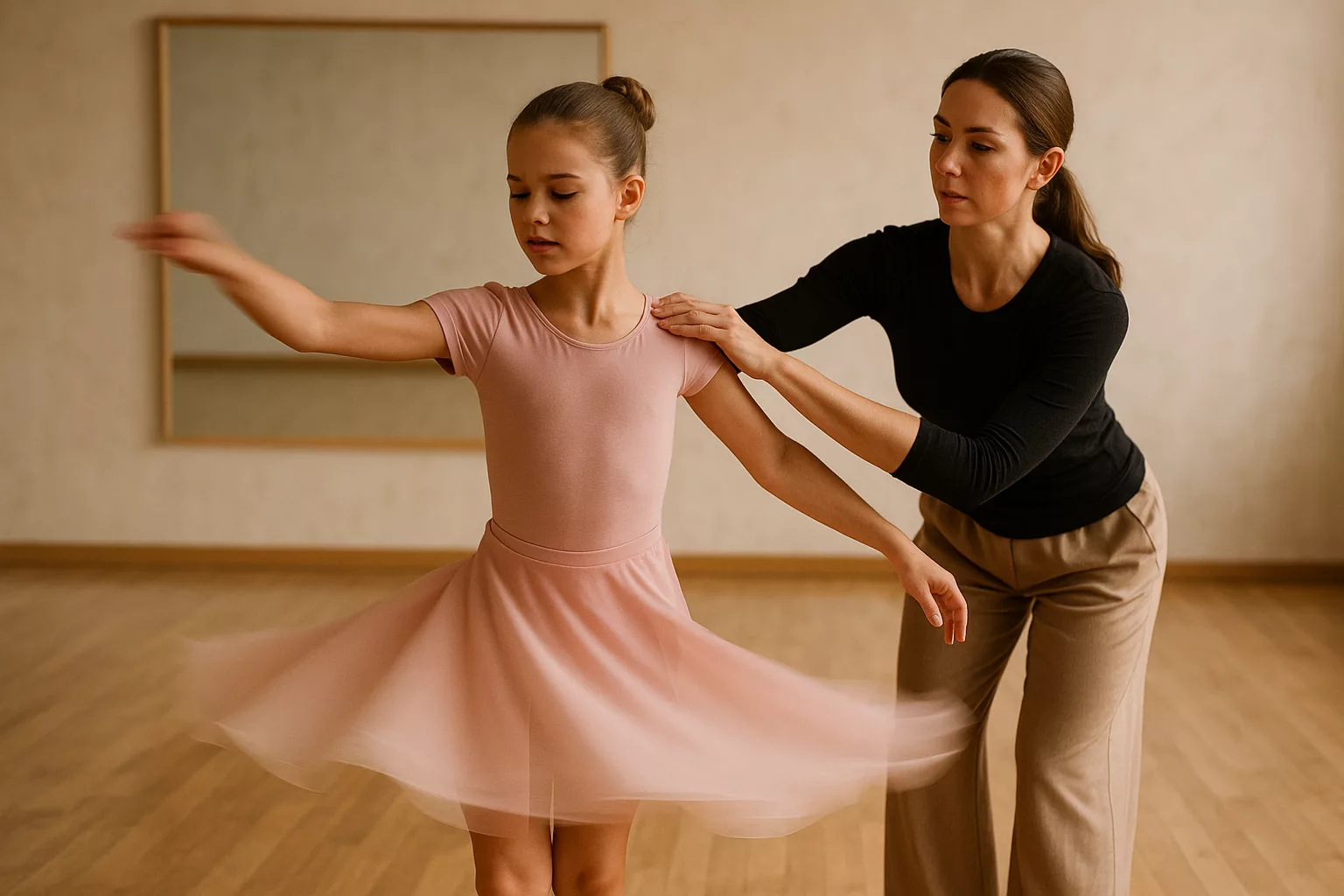
Why dance matters for children and teenagers
Dance is more than movement — it shapes the body, mind and social skills. For young people in Blagoveshchensk, regular dance classes offer:
— Improved coordination, strength and posture
— Better concentration, discipline and memory
— Confidence and stage experience through performances
— Social skills and teamwork from group work and partnerships
— A healthy, creative outlet that reduces stress and screen time
*Dance combines sport, art and community — ideal for growing children and teens.*
Popular styles for different ages
— Ballet (classical): Excellent foundation for posture, discipline and musicality; suitable from preschool age upward.
— Contemporary/modern: Focuses on expression and creativity; good for older children and teens.
— Street styles (hip‑hop, jazz‑funk): Energetic, social and appealing to teens; builds rhythm and style.
— Folk dance (народный танец): Connects kids with Russian cultural heritage and local traditions.
— Partner dances (ballroom, Latin): Great for coordination and social confidence; usually from around 7–8+.
Age ranges and what to expect
— 3–5 years: Creative movement, rhythm games, basic motor skills, short attention spans — classes 30–45 minutes.
— 6–9 years: Basic technique, simple choreography, beginnings of discipline — classes 45–60 minutes, 1–3 times/week.
— 10–14 years: Technique refinement, stronger repertoire, preparation for exams/competitions — classes 2–5 times/week depending on commitment.
— 15–18 years: Specialization, performance/competition focus, possible vocational preparation.
How to choose a dance school in Blagoveshchensk
Look for:
— Qualified instructors with pedagogy experience or professional dance background.
— Safe, clean facilities with proper flooring and mirrors.
— Age‑appropriate class structure and clear progression paths.
— Trial lessons and transparent pricing.
— Performance opportunities (recitals, city events) and parent communication.
Where to search:
— Local cultural centers (Дворцы культуры), town sports schools, and municipal arts programs.
— Social networks and local communities (VK, Instagram), community boards and school bulletins.
— Word of mouth — ask other parents at schools or kindergartens.
Practical tips for parents
— Start with a trial class to see the teacher’s approach and the child’s reaction.
— Choose frequency based on goals: recreational (1–2×/week), serious (3–5×/week).
— Invest in basic appropriate attire and shoes to prevent injuries.
— Encourage practice at home but keep it fun; avoid pressuring children.
— Balance dance with schoolwork and rest — look for signs of burnout.
— Check for clear safety and emergency procedures at the studio.
Local opportunities and milestones
In Blagoveshchensk, many studios and community centers stage seasonal concerts, city cultural festivals and school collaborations. As your child progresses, they can participate in:
— Studio showcases and end‑of‑year recitals
— Regional competitions and festivals in the Amur region
— Workshops and masterclasses (often visiting teachers or choreographers)
— Summer dance camps — good for intensive training and social bonding
Getting started: a simple plan
1. Talk with your child about what style excites them.
2. Find 2–3 nearby studios and book trial classes.
3. Observe teacher communication, class dynamics and safety.
4. Decide on weekly frequency and basic equipment.
5. Set realistic expectations: progress takes time; celebrate small wins.
Final thought
Dance education in Blagoveshchensk gives children and teens a powerful blend of physical health, artistic growth and community. With the right school and supportive approach, dance can become a lifelong source of confidence and joy. Explore local studios, try a lesson, and let your child discover what movement can do for them.