Why dance matters for kids and teens
Dance develops strength, coordination, confidence and creativity. For children and teenagers in Blagoveshchensk, learning dance also connects them to local cultural traditions and offers chances to perform at city events along the Amur River and in cross-border cultural projects with neighboring Heihe. Whether your child’s interest is classical ballet, folk dance, contemporary, or street styles, dance builds transferable life skills—discipline, teamwork, and expressiveness.
What types of programs to look for
— Ballet: classical technique, posture, musicality—great foundation for ages 4+
— Folk and traditional dance: cultural identity, rhythm, group formation—suitable for preschool and school-aged children
— Contemporary / modern: creativity, floor work, improvisation—popular with teens
— Hip-hop / street styles: energy, performance skills, confidence—appeals to younger kids and adolescents
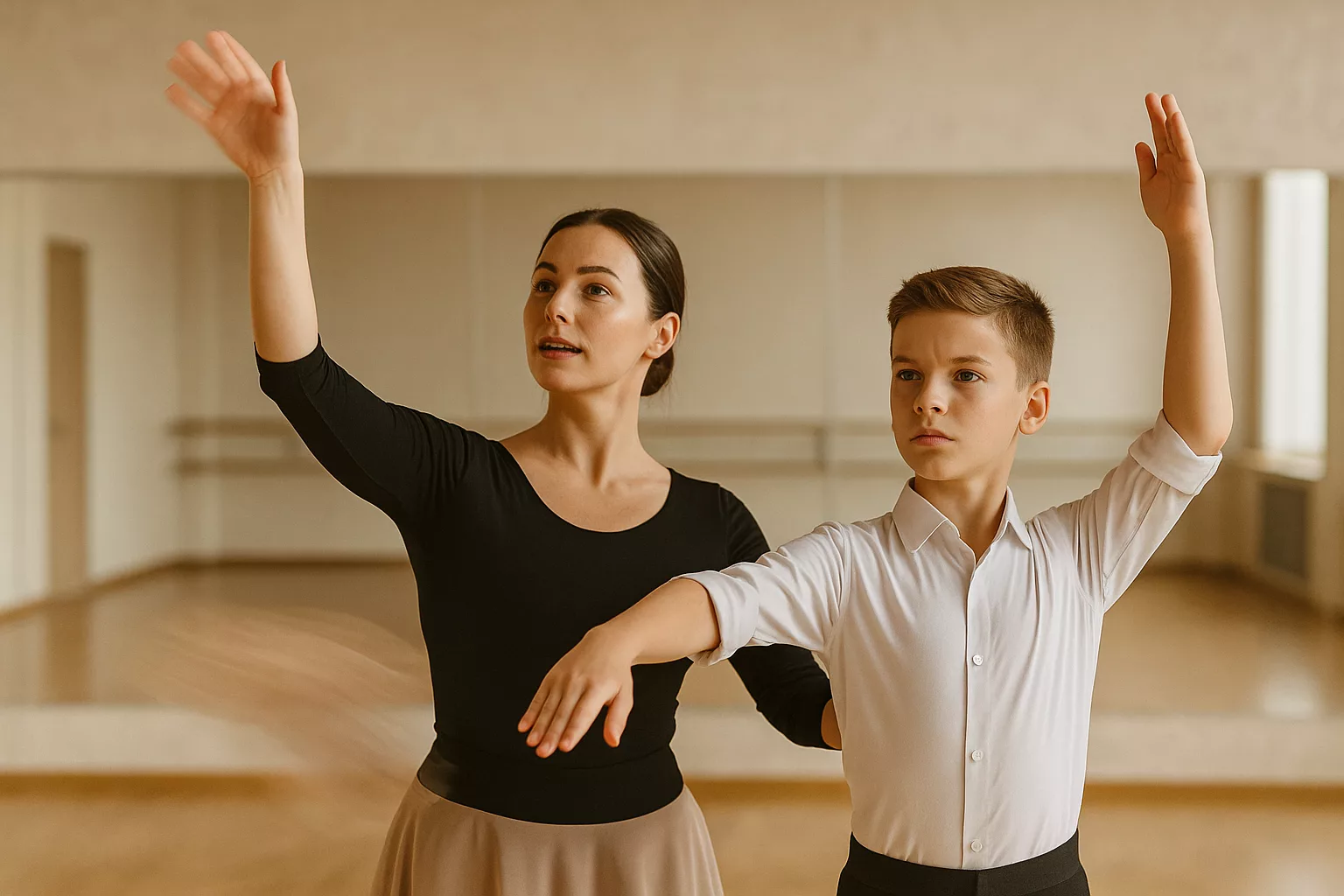
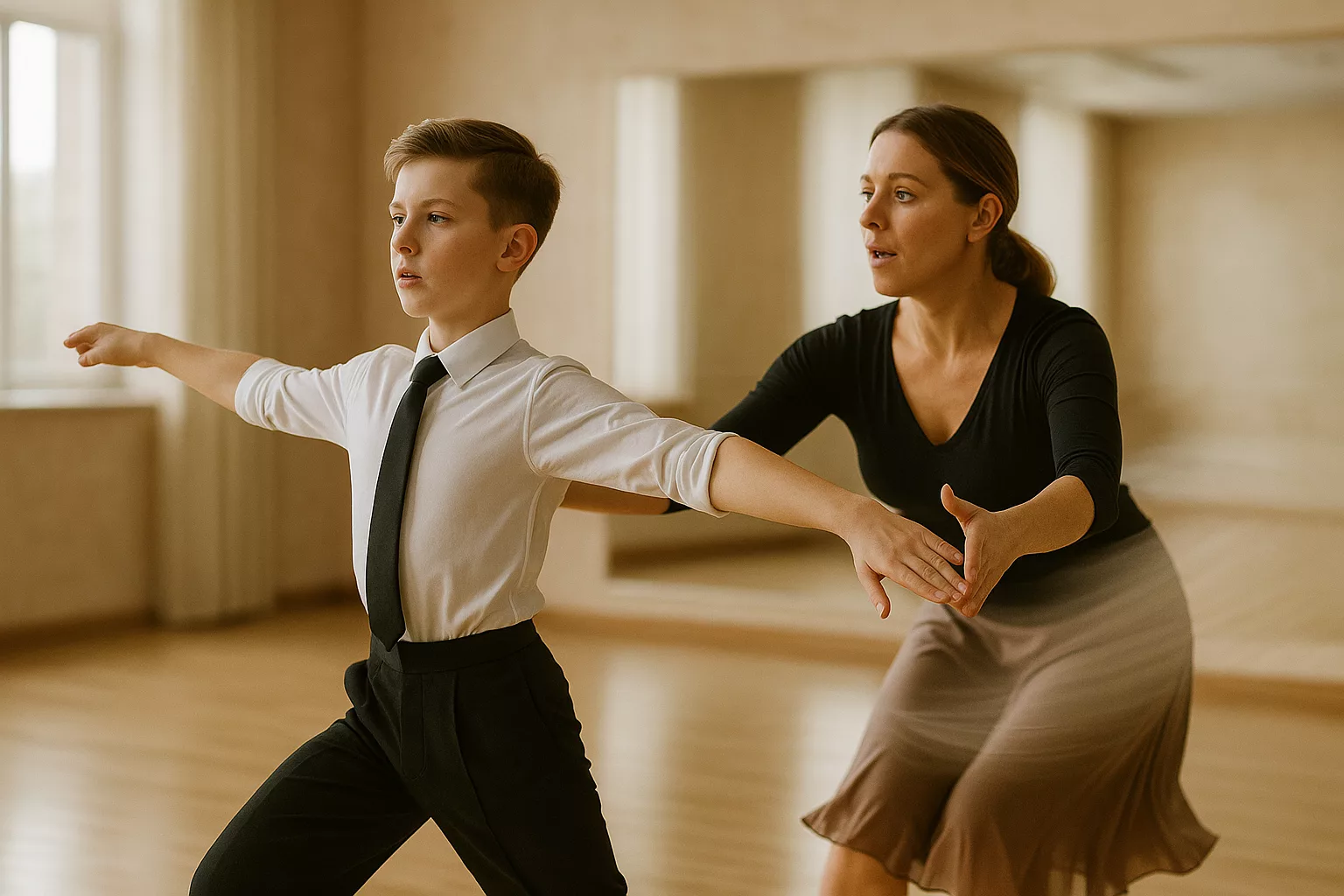
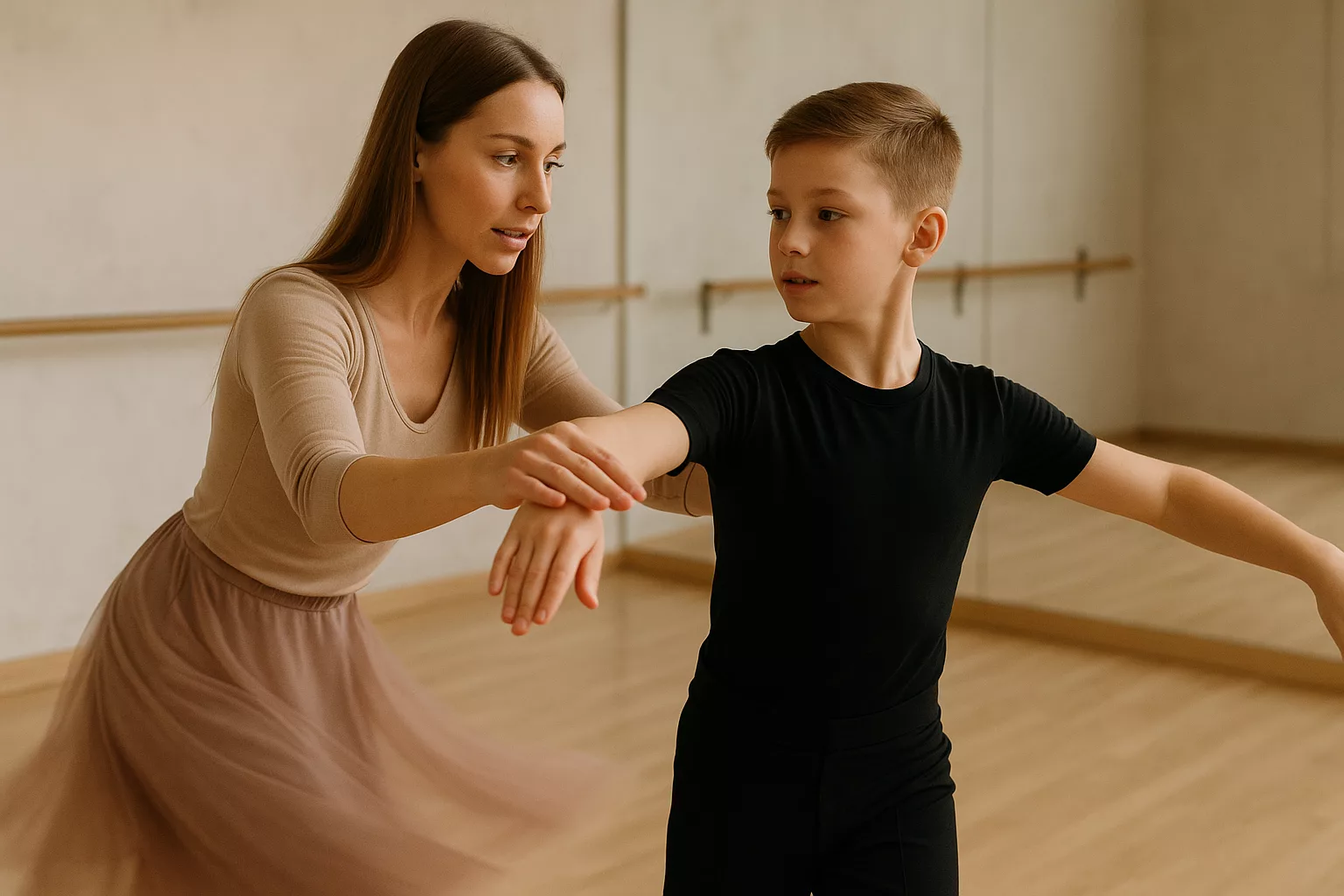
— Ballroom and latin: posture, partner work, social skills—good for older children and teens
— Combination programs: multi-style classes or preparatory programs for younger children
Age-appropriate goals and class types
— Ages 3–5 (pre-school): playful movement, rhythm games, basic coordination, short classes (30–45 min)
— Ages 6–9 (beginner school-age): fundamentals, simple choreography, 45–60 min classes, introduction to performance
— Ages 10–13 (skill development): technique work, more complex choreography, 60–90 min classes, small ensemble projects
— Ages 14–18 (pre-professional / performance): advanced technique, audition prep, choreography, competitions, regular rehearsals
Choosing the right school in Blagoveshchensk
Look for:
— Qualified instructors with teaching experience and certified training
— Clear class levels and progression plans
— Small class sizes or assistant teachers for young children
— Safe, well-equipped studios (mirrors, sprung floors, barres)
— Regular performance opportunities (recitals, local festivals, city events)
— Positive reviews from other parents and a transparent pricing schedule
— Trial classes or open days so your child can try before committing
Sample weekly schedule (example)
— Monday: Technique class (45–60 min)
— Wednesday: Repertoire/choreography (45–60 min)
— Friday: Conditioning / flexibility (30–45 min)
— Weekend: Ensemble rehearsal or open rehearsal for parents (60–120 min, depending on level)
Benefits beyond movement
— Physical: strength, flexibility, coordination, healthy habits
— Cognitive: concentration, memory, pattern recognition
— Emotional & social: self-esteem, teamwork, performance confidence
— Cultural: appreciation for local folk traditions and opportunities for exchange in the Amur region
Local opportunities and seasonal programs
— City cultural centers and youth art schools often host recitals, folk festivals, and holiday performances—great stages for beginners
— Summer dance camps and intensive workshops provide focused progress, social interaction, and chances to meet visiting teachers
— Keep an eye on municipal cultural calendars and community social media groups for masterclasses and competitions
Practical tips for parents
— Start with a trial class to assess fit and teacher rapport
— Dress simply: form-fitting clothing for teachers to observe alignment; appropriate shoes (ballet slippers, jazz shoes, sneakers, or character shoes depending on style)
— Balance school and dance—monitor homework and rest to avoid burnout
— Encourage performance but keep pressure low—focus on effort and enjoyment
— Ask about safety policies, injury prevention, and whether the school has first aid procedures
Affordability and support
— Ask about package discounts, sibling rates, and scholarship or merit opportunities
— Community centers and municipal programs may offer lower-cost options than private studios
How to get started in Blagoveshchensk
1. Make a short list of 2–3 nearby studios or cultural centers.
2. Book trial classes or attend open days.
3. Observe a class if possible and ask about curriculum, teacher qualifications, class size, and performance plans.
4. Choose a program that matches your child’s age, interests, and your family schedule.
Final note
Dance can be a joyful, formative part of childhood and adolescence in Blagoveshchensk—rooted in local culture and offering broad personal benefits. Begin with curiosity, a trial lesson, and realistic expectations, and you’ll likely see steady progress, stronger confidence, and many memorable performances.
For local listings and upcoming events, check Blagoveshchensk’s cultural portals and community groups, or visit studios in your neighborhood to ask about trial lessons and schedules.