Dance Education for Children and Teenagers in Blagoveshchensk
Dance is more than movement — it builds confidence, discipline, teamwork and creativity. For families in Blagoveshchensk, enrolling children and teenagers in dance classes offers physical fitness, cultural connection and social enrichment. This guide helps parents choose the right program, understand what to expect, and find local resources.
Why choose dance for kids and teens?
— Physical benefits: improved coordination, strength, flexibility, posture and cardiovascular fitness.
— Cognitive gains: enhanced memory, concentration, spatial awareness and learning habits.
— Emotional and social growth: confidence, self-expression, teamwork and resilience.
— Cultural connection: opportunities to learn classical styles (ballet), regional folk dances and contemporary Russian choreography.
— Long-term opportunities: scholarships, competitions, teaching and performing experience.
Popular dance styles for different ages
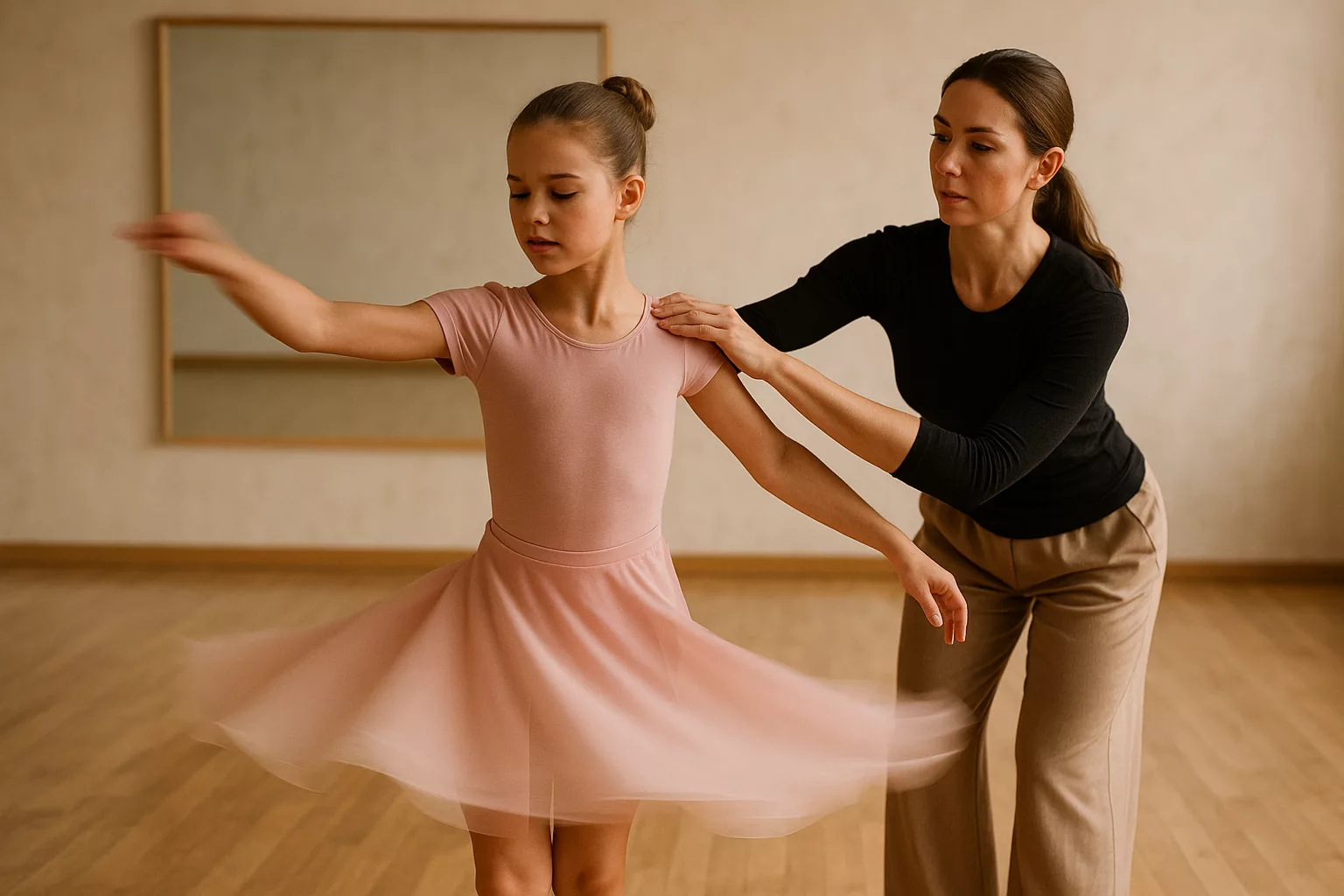
— Ballet — foundational technique, great for posture and discipline; suitable from preschool through teenage years.
— Contemporary / Modern — expressive movement, creative composition; ideal for older children and teens.
— Hip-hop / Street dance — energetic, builds rhythm and stage presence; popular with school-aged children and teens.
— Folk / Ethnic dance — connects children to regional culture and community events.
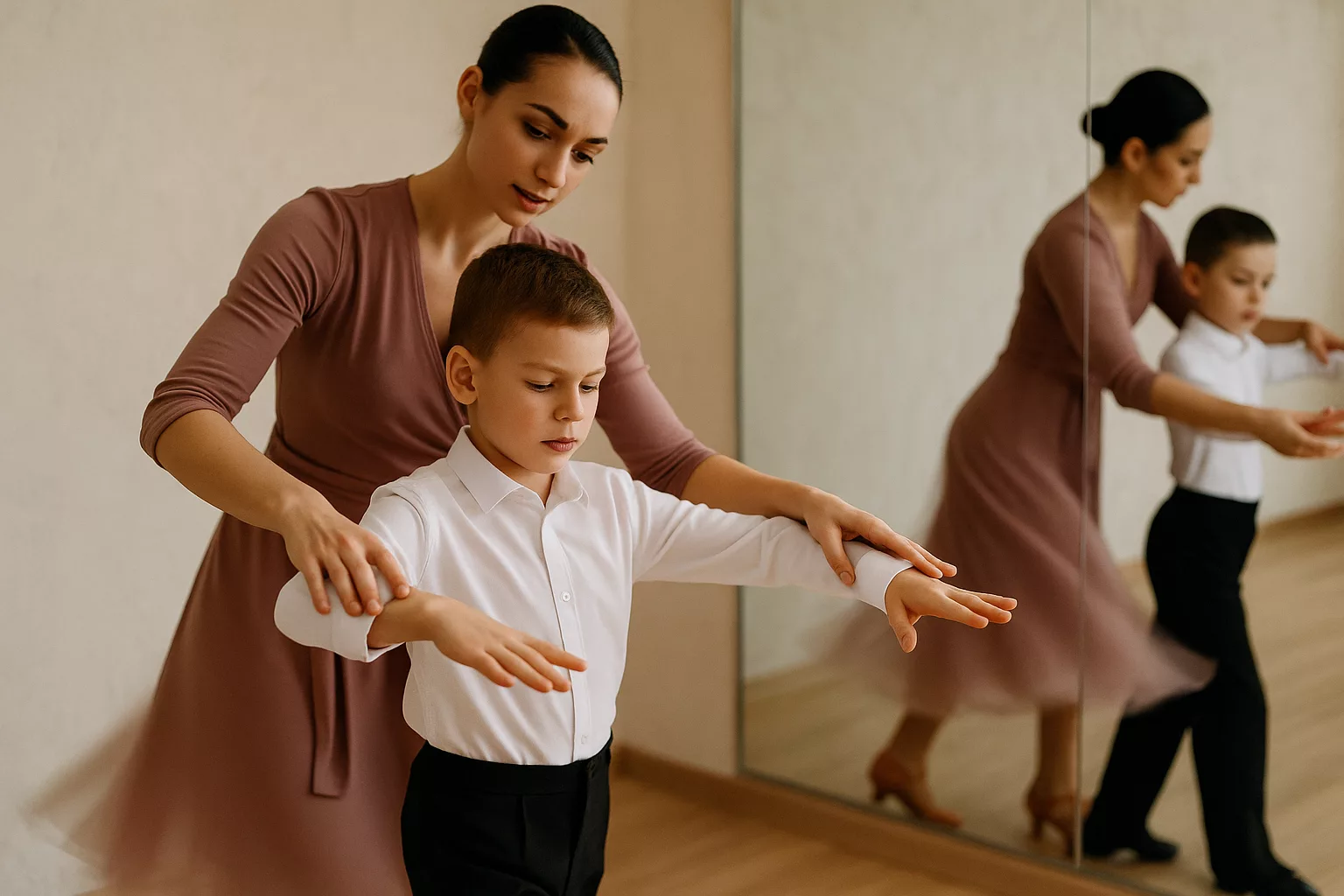
— Ballroom / Latin — social dance skills, partner work and performance etiquette.
— Gymnastics-infused classes — for very young children or those combining acrobatics with dance.
Choosing the right studio in Blagoveshchensk
Look for:
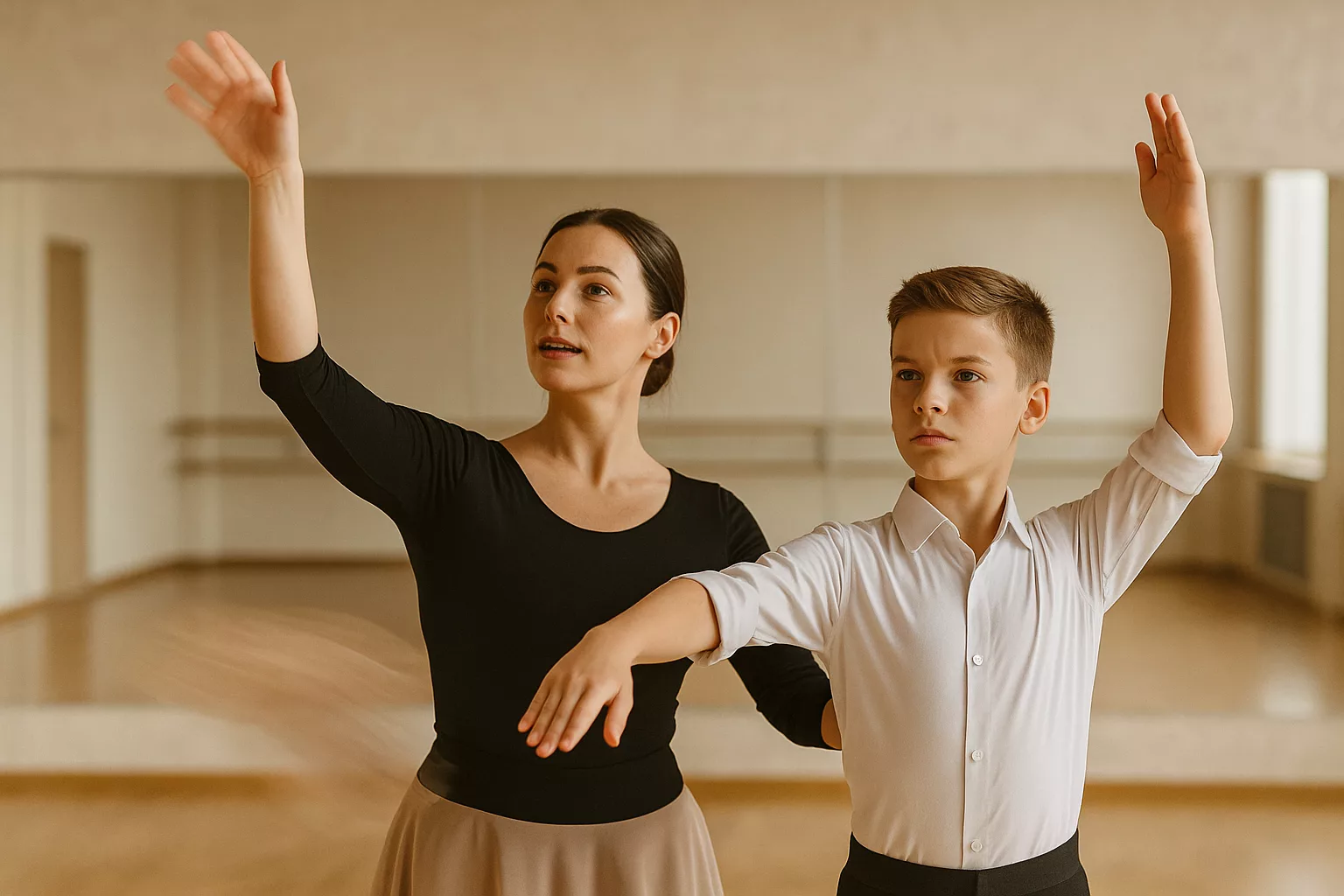
— Qualified instructors: formal training, teaching experience and references.
— Age-appropriate curricula and clear progression (beginner → intermediate → advanced).
— Safe environment: sprung floors or appropriate flooring, clean facilities, first-aid readiness.
— Class size: small enough for individual attention (ideally 8–15 students).
— Trial lessons and transparent pricing.
— Performance opportunities: recitals, city festivals or regional competitions.
— Positive reviews and parent recommendations—check local VK groups, Yandex Maps and community forums.
What to expect by age group
— Ages 3–5 (pre-school): Play-based movement, basic rhythm, simple choreography, short attention-span-friendly classes (30–45 min).
— Ages 6–9 (primary school): Foundational technique, basic combinations, beginning discipline and small performances; classes 45–60 min.
— Ages 10–14 (tweens): Technique refinement, more complex choreography, potential for exam-based programs or competition teams; classes 60–90 min.
— 15+ (teens): Specialization (ballet, contemporary, hip-hop), intensive training options, performance and audition preparation.
Sample weekly schedule ideas
— Young child (4–6): 1–2 classes/week (30–45 min) + free play/movement at home.
— School-age (7–11): 2–3 classes/week (45–60 min) mixing technique and creative classes.
— Teen (12–17): 3–5 classes/week (60–90 min) if pursuing serious training or performance teams.
Cost expectations and enrollment tips
— Costs vary by studio and program intensity. Expect basic group classes to be most affordable; specialized or exam-prep classes cost more.
— Ask about: registration fees, monthly tuition, costume fees for performances and make-up classes.
— Enroll early for popular studios—term-based programs often fill quickly.
— Use trial lessons to assess fit before committing.
Safety, clothing and etiquette
— Proper attire: ballet — leotard, tights, ballet shoes; hip-hop — comfortable clothing and clean sneakers; check studio dress code.
— Hair neatly tied back.
— Warm-up and cool-down are essential to avoid injury.
— Respectful behavior, punctuality and consistent attendance build progress.
Performance, exams and progression
— Many studios offer end-of-term recitals, local festival appearances and regional competitions.
— Classical programs may follow exam systems (syllabi from national/international bodies); ask about certificates and progression criteria.
— Encourage goal-setting: short-term (learn a routine), mid-term (perform confidently), long-term (auditions, exams).
Where to find dance schools and community programs in Blagoveshchensk
— Municipal cultural centers and youth sports schools often host dance classes and folk ensembles.
— Independent studios and private teachers advertise on VK, Yandex Maps, local parenting groups and community noticeboards.
— Schools sometimes run after-school dance clubs—check with the child’s school.
— Look for seasonal workshops during school holidays and city cultural events where local ensembles perform.
How to evaluate a trial lesson
— Is the instructor engaged and supportive?
— Are children actively learning skills appropriate to their age?
— Is the studio clean, safe and well-equipped?
— Do you see a balance of technique, creativity and fun?
— How do other parents and students behave—friendly and respectful?
Final tips
— Prioritize enjoyment and steady progress over early specialization.
— Balance dance with school, rest and other activities to avoid burnout.
— Keep communication open with instructors about goals and any health concerns.
— Celebrate small milestones—recitals, learned combinations and improved technique.
Dance can become a lifelong passion and a healthy habit. Start with a trial class in Blagoveshchensk, talk with instructors, and choose a program that matches your child’s personality and goals.