Why dance matters for kids and teens in Blagoveshchensk
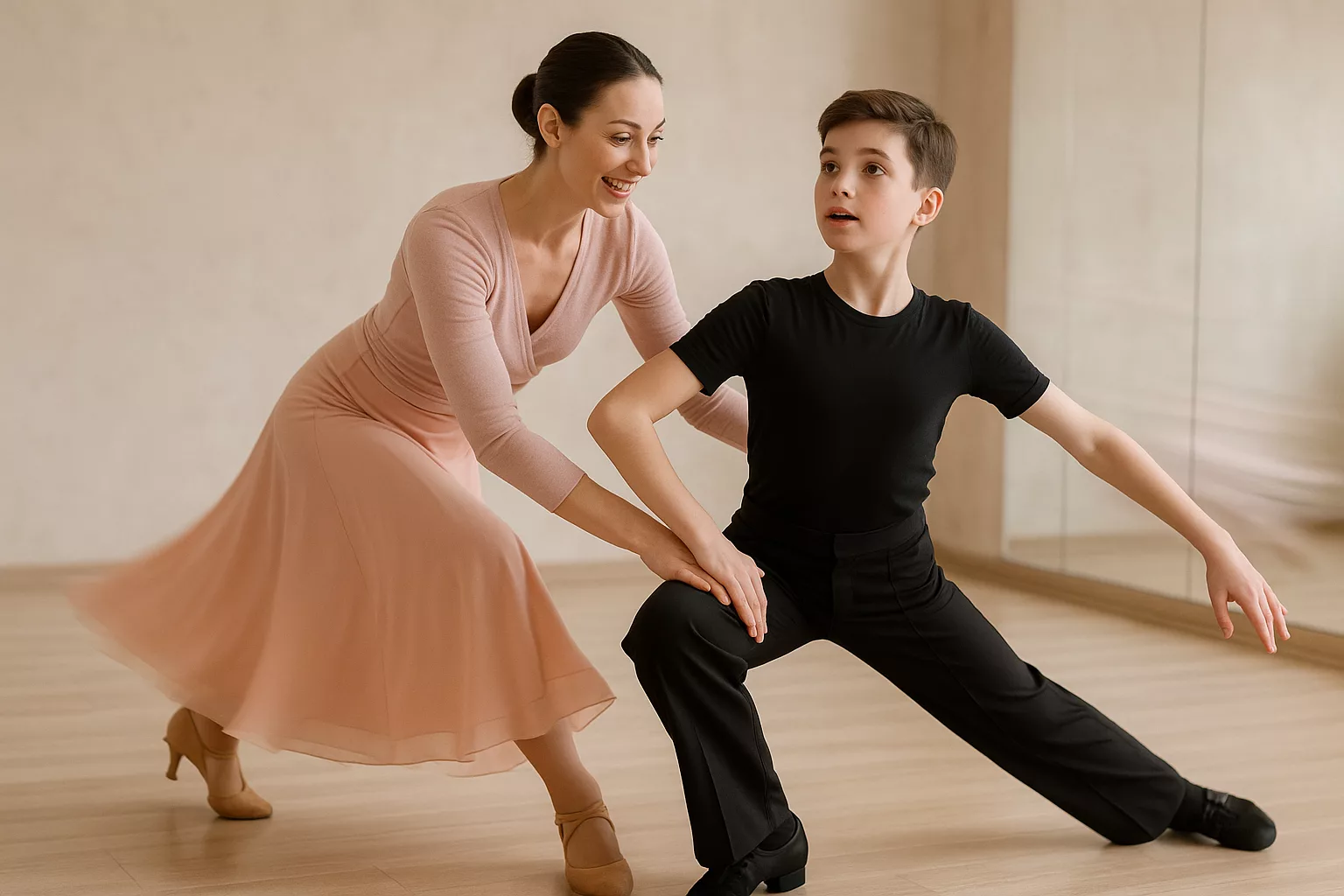
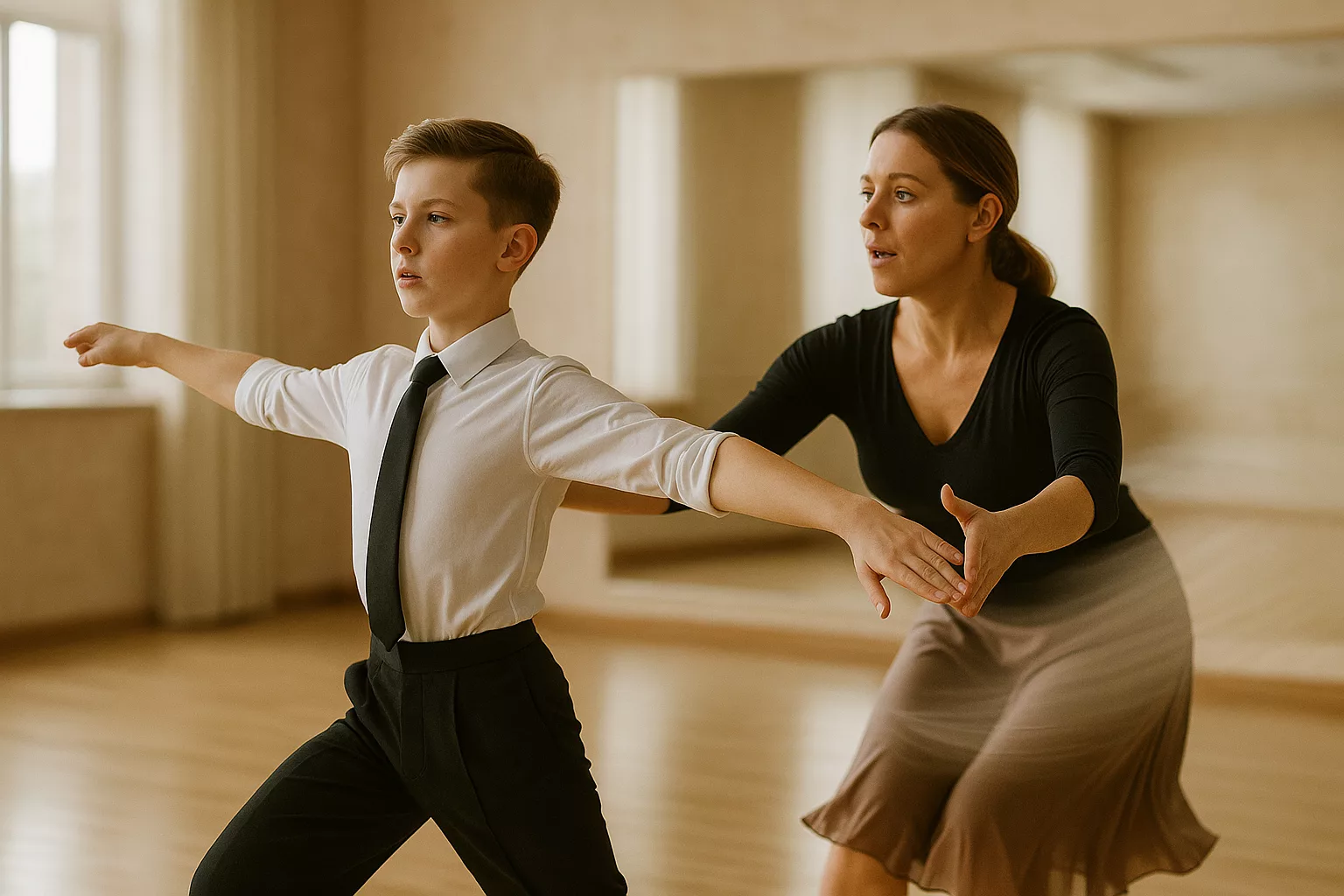
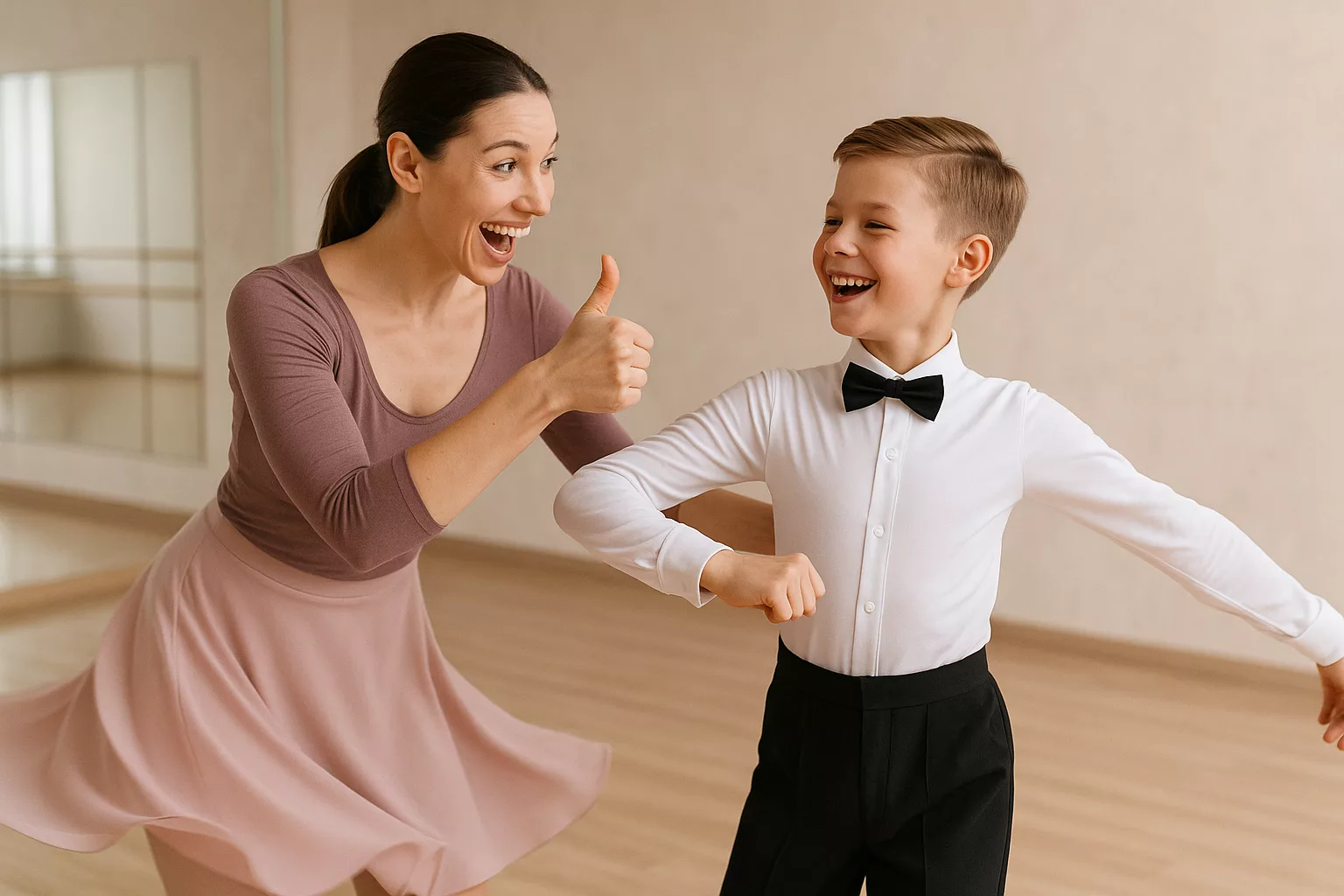
Dance is more than movement—it’s a tool for physical health, creative expression, teamwork and confidence. For children and teenagers in Blagoveshchensk, enrolling in dance classes can build coordination, posture and discipline while offering a safe, social environment close to home. Whether your child dreams of the stage or simply wants a fun, active hobby, dance programs can be tailored to every age and temperament.
Benefits of dance for young people
— Physical fitness: improves strength, flexibility, balance and cardiovascular health.
— Cognitive skills: memory, focus and spatial awareness develop through choreography.
— Emotional growth: boosts self-esteem, helps manage stress and encourages creativity.
— Social development: teamwork, listening skills and new friendships.
— Cultural appreciation: exposure to folk dance and contemporary styles supports local cultural identity.
Popular dance styles and recommended ages
— Ballet (ages 3+) — foundational technique, posture and discipline. Great starter for younger children.
— Contemporary / Modern (ages 6+) — expressive movement, creativity and floor work.
— Hip-hop / Street dance (ages 6+) — energetic, social and performance-driven; appeals to many teens.
— Folk and national dances (ages 4+) — connects children with Russian and regional traditions.
— Ballroom / Latin (ages 6+) — partner work, rhythm and poise; suitable for older children and teens.
— Acro-dance / gymnastics-based classes (ages 4+) — combines flexibility and tumbling skills; requires safe equipment.
How to choose the right studio in Blagoveshchensk
Use this checklist when comparing options:
— Trial class: does the studio offer a free or low-cost trial?
— Teacher qualifications: ask about training, experience and background in working with children.
— Class size and age grouping: smaller groups are better for focused attention, especially for young children.
— Safety and facilities: sprung floors, mirrors, sound system and safe changing areas.
— Curriculum and goals: is it recreational, exam-based (e.g., ballet syllabi) or performance-oriented?
— Performance opportunities: recitals, local festivals or competitions—how often and what level?
— Flexible scheduling and fees: evening or weekend options for school-age children; clear pricing and payment policies.
— Parent communication: studios should provide updates on progress and events.
Practical tips before the first class
— Attend a trial or observation session to see how teachers interact with children.
— Prepare appropriate attire: fitted clothes, hair tied back, non-slip dance shoes or socks as required.
— Start with a realistic frequency: once or twice weekly for beginners; increase as interest and ability grow.
— Discuss goals with your child—fun, fitness or performance? Let that guide program choice.
Typical weekly commitment by age
— Preschoolers (3–5): 30–45 minutes once a week — play-based, focus on coordination and fun.
— Children (6–11): 45–90 minutes 1–3 times per week — skill-building, basic technique and simple choreography.
— Teens (12–17): 60–120 minutes 2–5 times per week — more intensive training, technique, rehearsals and performance prep.
Costs and scheduling (what to expect)
— Options range from municipal programs (often more affordable) to private studios with higher fees.
— Many studios offer monthly fees, package deals or per-class rates; seasonal intensives and summer camps are common.
— Ask about additional costs: costume fees for recitals, competition entry fees and uniform/shoe purchases.
Safety, accreditation and teacher qualifications
— Ensure teachers have experience with children and knowledge of injury prevention.
— Look for studios that follow age-appropriate progressions and warm-up/cool-down routines.
— Inquire whether the studio carries liability insurance and has first-aid procedures.
Supporting your child at home
— Encourage consistent attendance and gentle practice—short daily movement or stretching sessions help progress.
— Celebrate effort, not just results; keep focus on enjoyment to avoid burnout.
— Attend performances and recitals to show support and reinforce commitment.
Finding dance programs in Blagoveshchensk
— Check local “Детская школа искусств,” cultural centers and municipal youth clubs for classes aimed at children.
— Search social networks (VK, Instagram) and local listings for private studios and upcoming events.
— Ask other parents, school teachers or local sports centers for recommendations and reviews.
— Visit studios in person and observe a class before enrolling.
Performance and community involvement
— Many studios organize year-end recitals, city festivals and opportunities to perform at cultural events.
— Participation in local folk festivals or intercity competitions can be a rewarding experience for motivated students.
Final checklist before enrolling
— Does the program match your child’s age, temperament and goals?
— Can you commit to the time and cost required?
— Have you observed a class and spoken to the teacher?
— Are safety, teacher qualifications and communication practices satisfactory?
Dance education can be a transformative experience for children and teens in Blagoveshchensk—combining health, culture and creative growth. Start with a trial class, keep expectations focused on fun and progress, and choose a studio that respects both the art and the needs of young learners.