Why choose dance for your child in Blagoveshchensk
Dance builds strength, coordination, confidence and teamwork. In Blagoveshchensk — a city with active cultural life and strong traditions in ballet and folk arts — dance also connects children with local heritage while exposing them to contemporary trends like hip‑hop and modern choreography.
Key benefits
— Physical fitness: improved posture, flexibility, stamina and motor skills.
— Cognitive development: memory, concentration and creative problem‑solving.
— Social skills: teamwork, communication and resilience.
— Emotional well‑being: self‑expression, stress relief and confidence.
— Cultural awareness: exposure to Russian folk dance, classical ballet and international styles.
Popular dance styles for children and teens
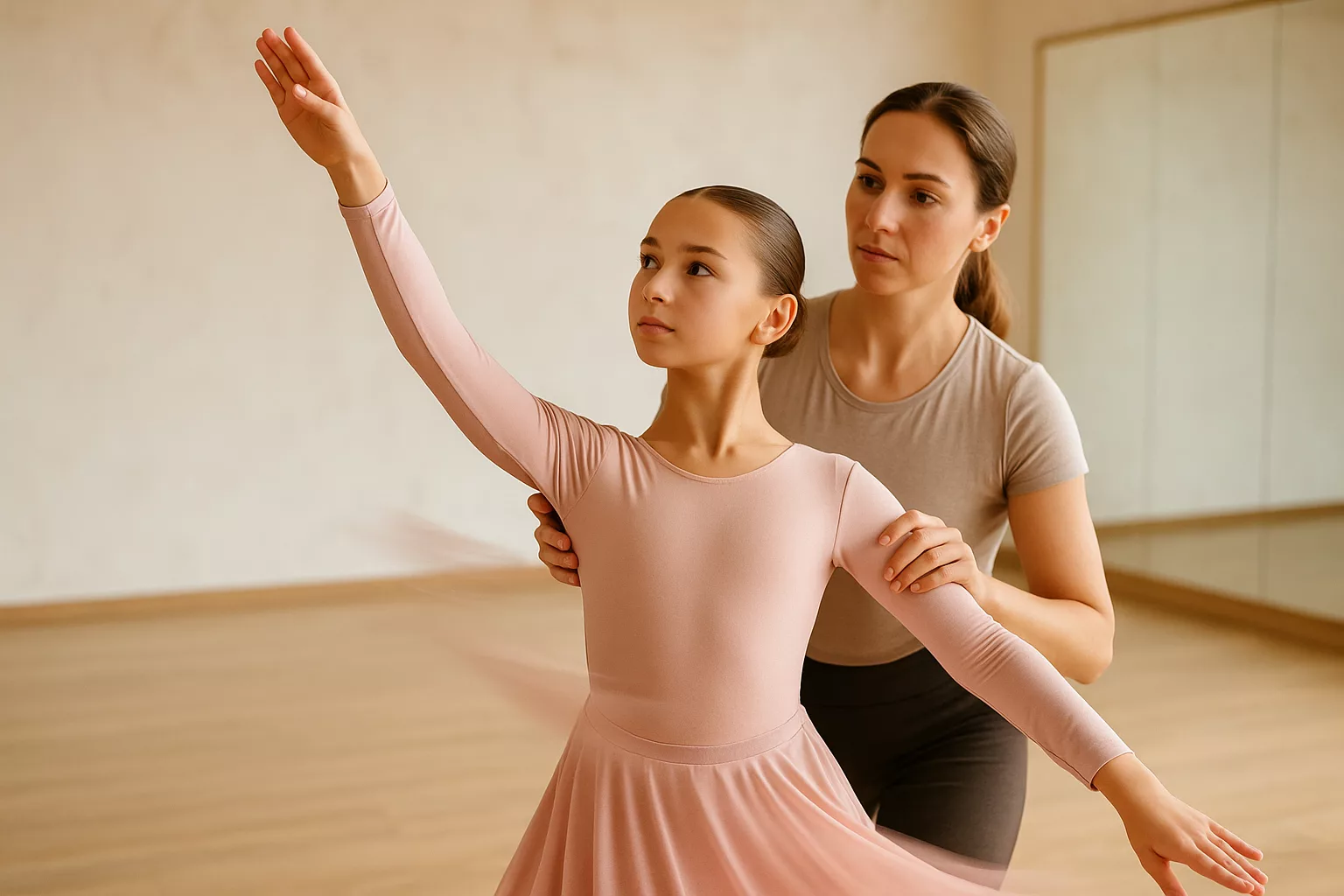
— *Classical ballet* — foundation for technique, posture and discipline.
— *Folk dance* (русский танец) — cultural roots, rhythm and group formations.
— *Contemporary / modern* — creative expression, floor work and improvisation.
— *Hip‑hop / street dance* — rhythm, individuality and energy for older kids.
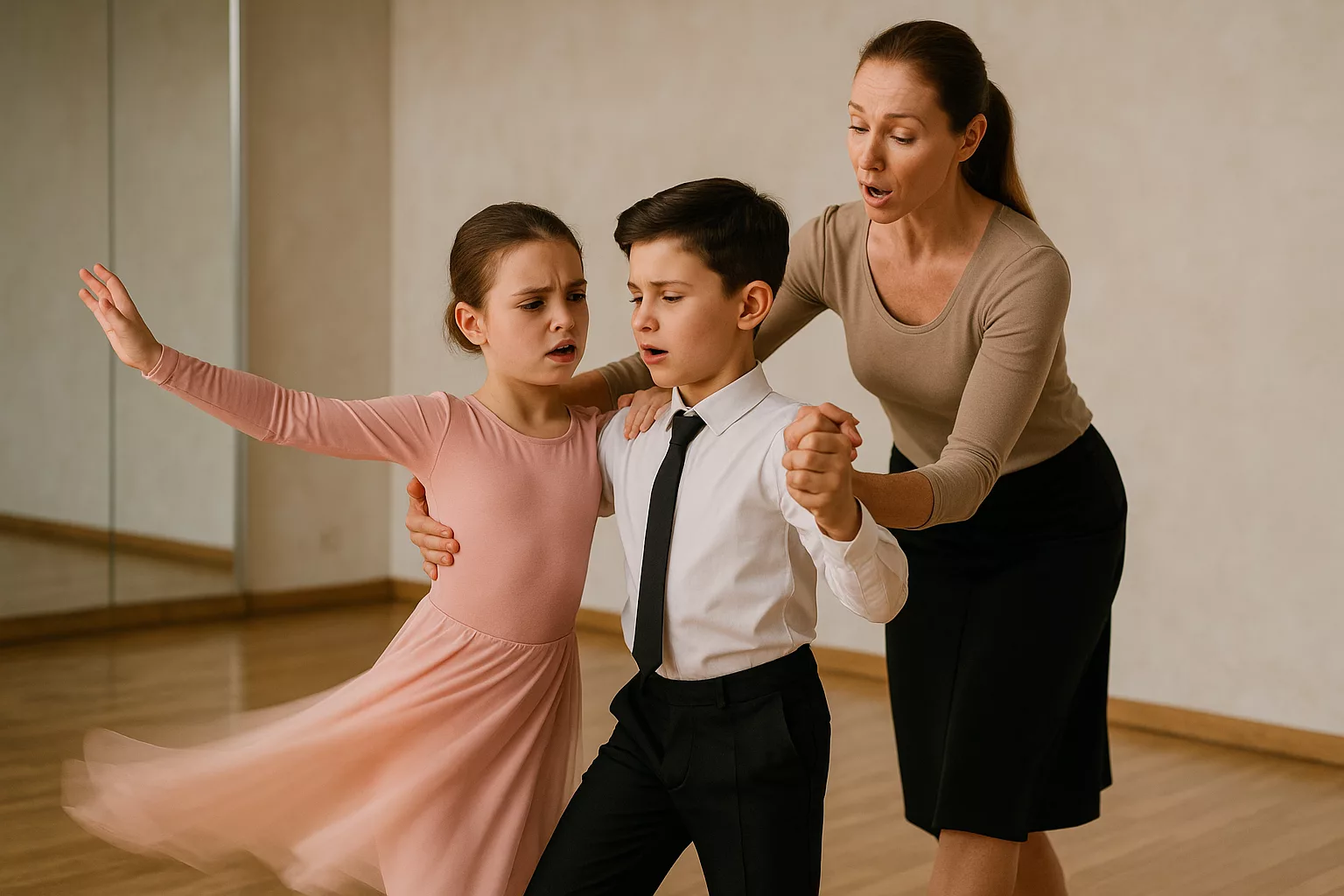
— *Ballroom / Latin* — partner skills, musicality and social etiquette.
— *Jazz / commercial* — performance skills and stage presence.
How to choose the right studio or program
Look beyond price. Prioritize safety, quality of instruction and a child‑centered environment.
— Teachers and credentials
— Ask about the teacher’s training and teaching experience with children.
— Prefer studios with certified instructors or those who have worked in youth education.
— Class size and age groups
— Small classes allow more individual attention.
— Age‑appropriate groupings (e.g., 3–5, 6–9, 10–13, teens) ensure developmentally suitable content.
— Curriculum and goals
— Are there clear progression levels and performance opportunities?
— Does the studio balance technique, creativity and fun?
— Safety and facilities
— Proper flooring (sprung floors for older students), mirrors, ventilation.
— First‑aid trained staff and transparent child‑safety policies.
— Atmosphere and values
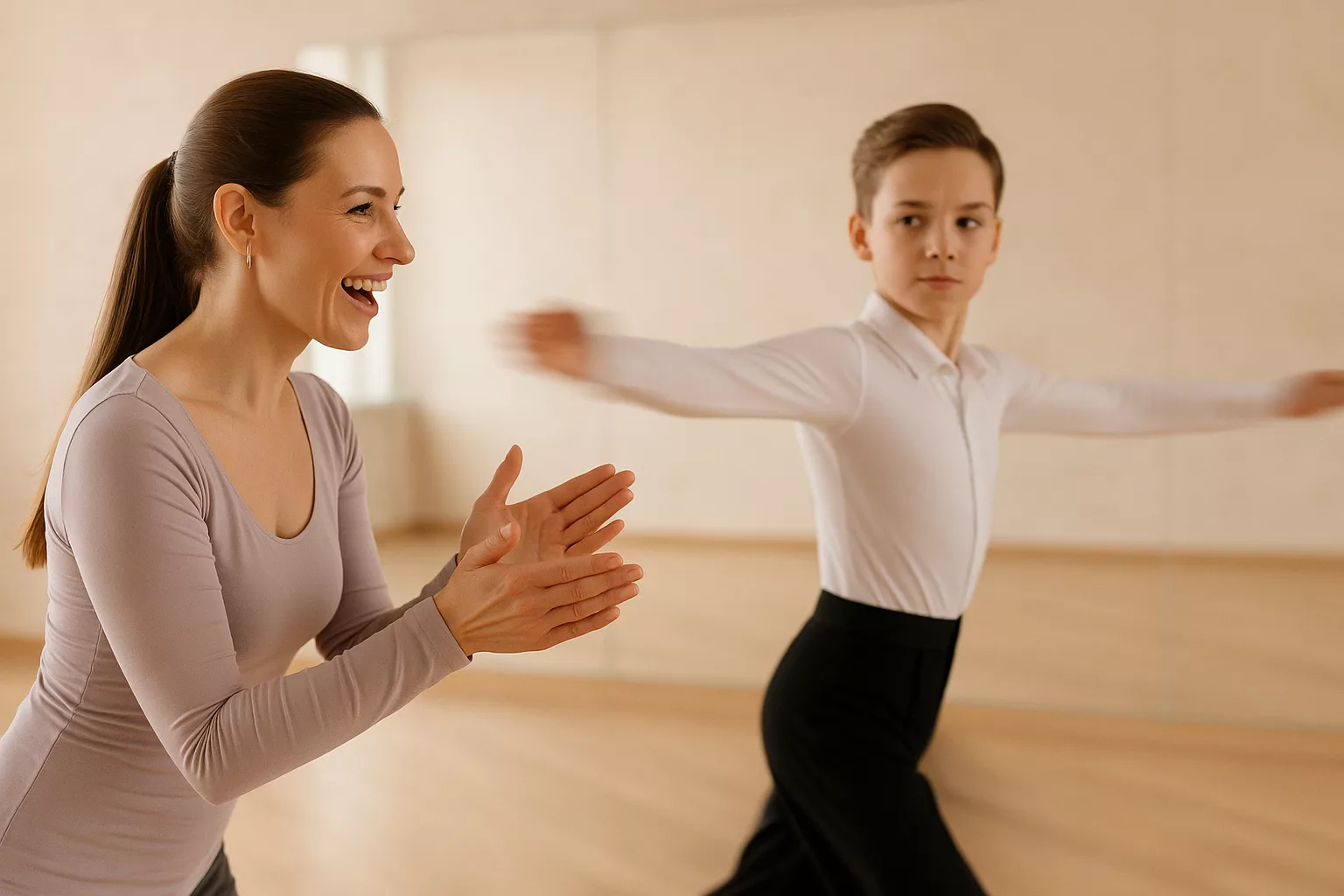
— Observe a trial lesson: are teachers encouraging, respectful and motivating?
— Check how the studio handles competitions, costumes and parent communication.
Recommended starting ages and progression
— 2.5–4 years: introductory «creative movement» — focus on rhythm, balance and play.
— 5–7 years: foundational classes (basic ballet or folk) — posture, simple technique.
— 8–12 years: skill development — stronger technique, choreography, small performances.
— 13+ years: specialization — advanced technique, competitive teams, hip‑hop crews or pre‑professional training.
Practical tips for parents
— Attend a trial class before enrolling.
— Keep realistic expectations: progress is individual.
— Encourage practice without pressure — short, regular at‑home exercises help.
— Stay involved: attend recitals and communicate with teachers.
— Prioritize rest, nutrition and injury prevention.
What to bring and dress code
— Comfortable, studio‑appropriate clothing (leotard and tights for ballet; leggings and t‑shirt for other styles).
— Proper shoes: ballet slippers, jazz shoes, sneakers for hip‑hop.
— Hair neatly tied back.
— Water bottle, small towel and band‑aids.
Costs, scheduling and extras
— Costs vary by frequency, teacher level and facility. Expect extra fees for uniforms, shoes, costumes and competition travel.
— Ask about make‑up classes, monthly vs. term billing and refund policies.
— Some studios offer discounts for siblings or multi‑class enrollment.
Scholarships, community programs and online options
— Check local cultural centers, schools and youth clubs for subsidized programs or seasonal workshops.
— During winter months or for remote learning, reputable online or hybrid classes can supplement in‑studio training — choose live lessons where possible.
Blagoveshchensk specifics — where to start looking
— Search local listings and social networks (VK, Instagram) for schools, choreographers and community centers.
— Visit municipal cultural centers and music/dance schools to ask about youth programs.
— Attend city festivals, recitals and competitions to see local studios in action and meet teachers.
Safety and health considerations
— Ensure instructors teach age‑appropriate technique to reduce injury risk.
— For older teens pursuing intensive training, regular medical checkups and proper warm‑up/cross‑training are important.
— Confirm child protection policies and emergency procedures.
Next steps for parents
1. Make a shortlist of 3–4 studios.
2. Observe or join trial classes.
3. Compare schedules, pricing and teacher qualifications.
4. Enroll for a trial period, then reassess after a few months.
Embrace the process — dance is a long‑term gift: it nurtures bodies, minds and communities. If you’d like, I can draft a short checklist you can use when visiting studios in Blagoveshchensk.