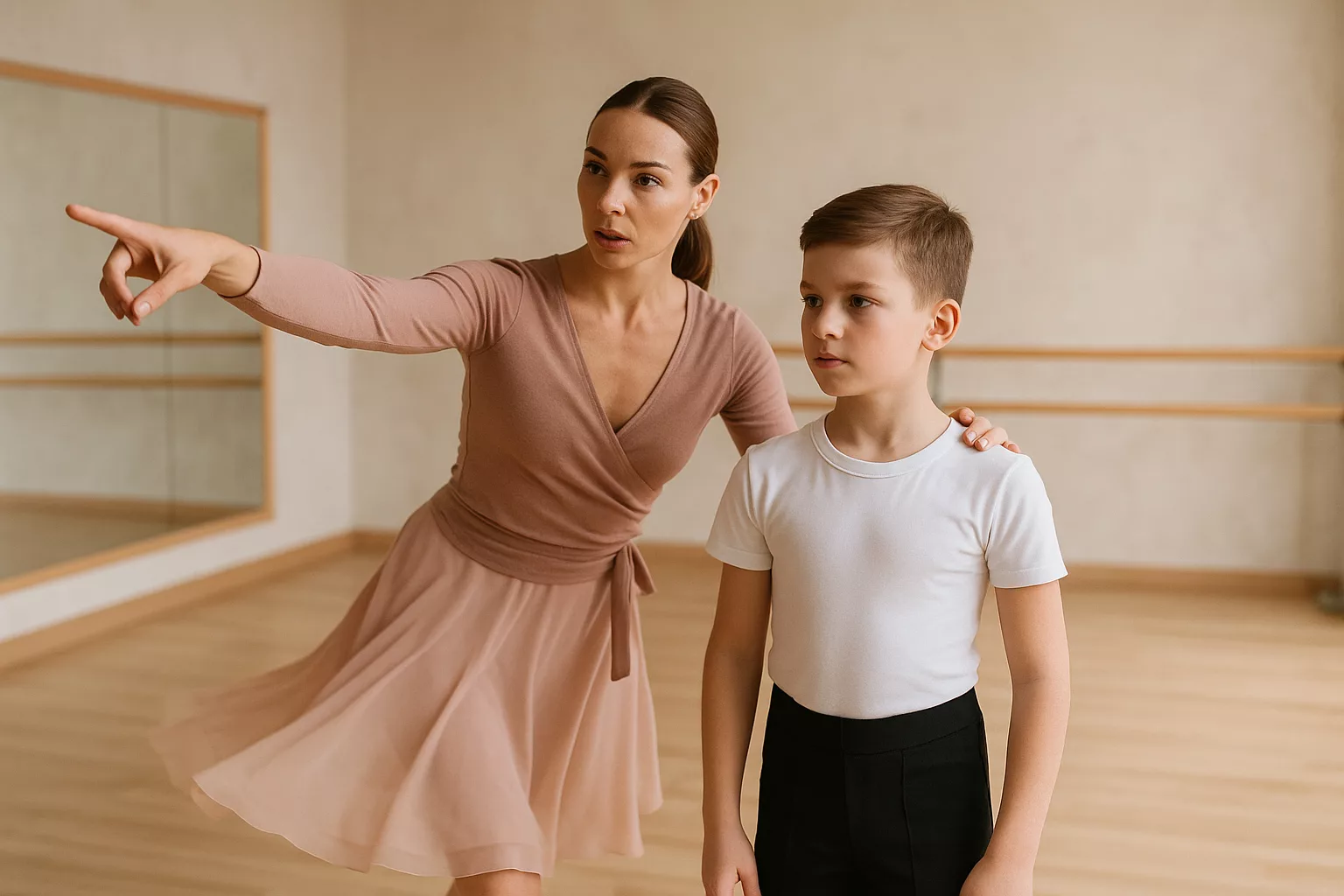
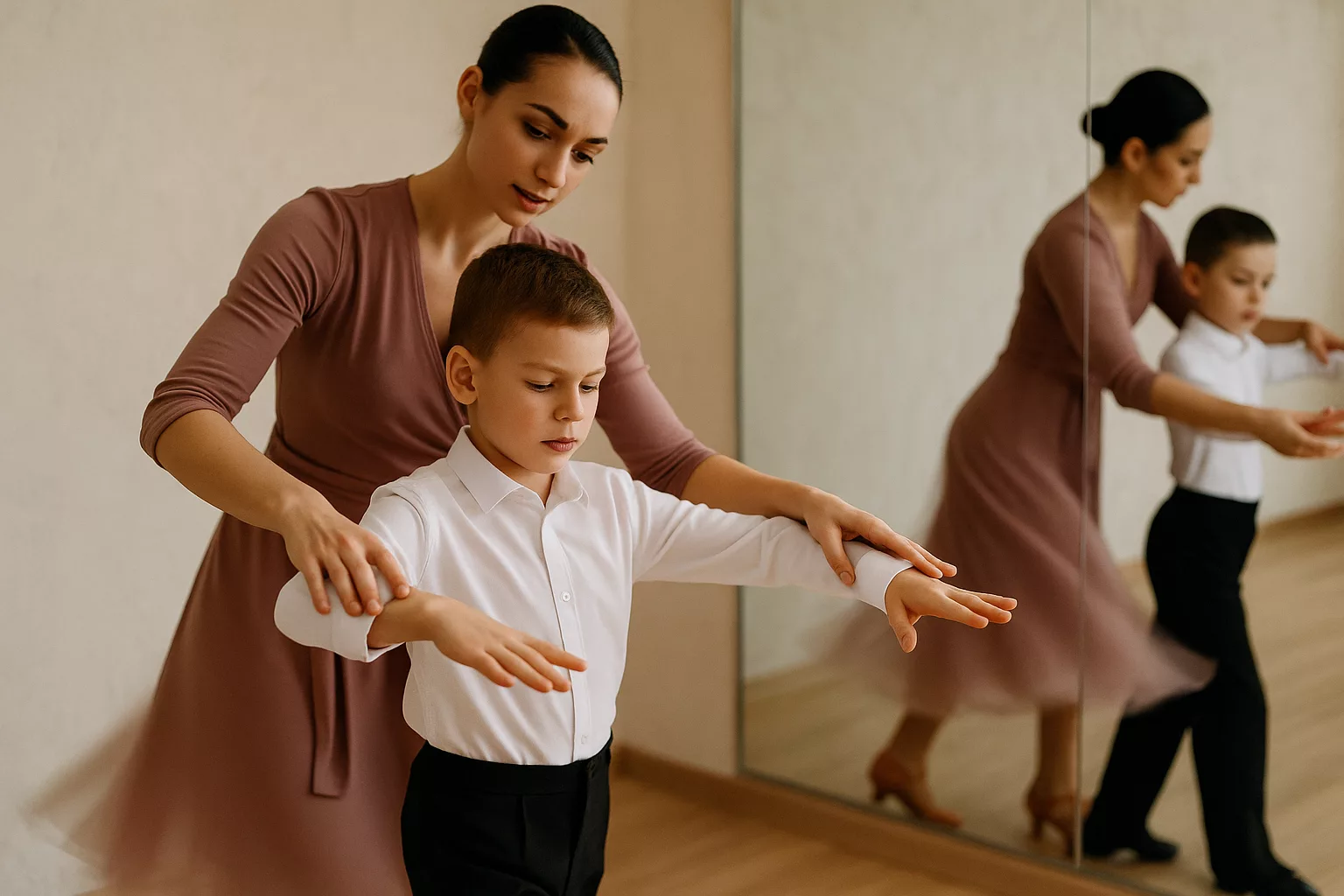
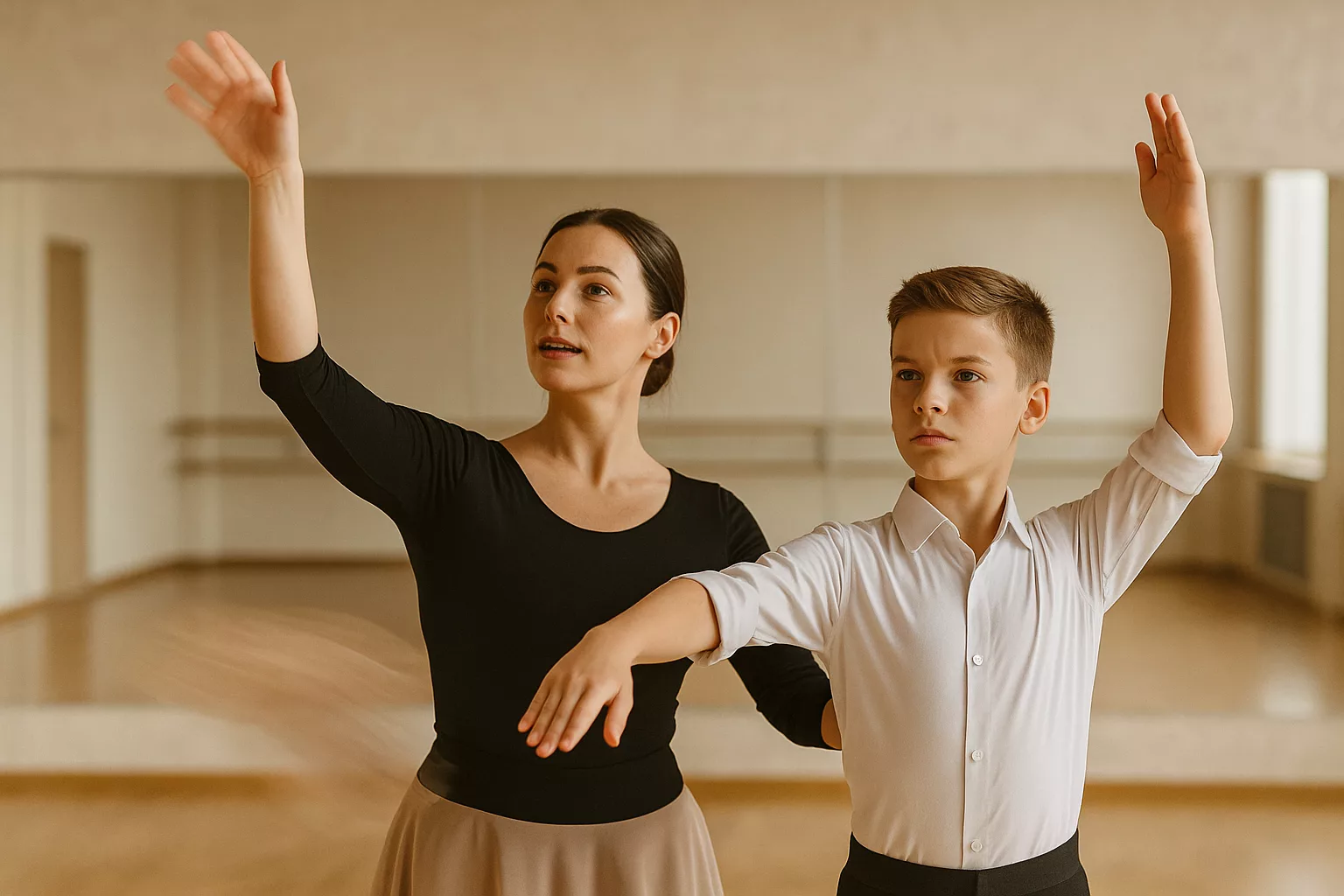
Why dance for children and teenagers matters
Dance is more than movement — it builds coordination, rhythm, teamwork, confidence and discipline. In Blagoveshchensk, where community life and cultural events are important, dance gives young people a way to express themselves, take part in city festivals and make friends across age groups.
What types of dance to consider
— *Creative movement / early childhood dance* (ages 3–5): play-based classes that develop motor skills and musicality.
— *Ballet / classical* (from 5–6): strong foundation for posture, technique and discipline.
— *Contemporary / modern* (from 7–8): emphasis on expression and versatility.
— *Hip-hop / street styles* (from 6–7): energetic, social, good for confidence and stage presence.
— *Folk / traditional dance* (from 5+): connects children with regional and Russian cultural heritage — great for performances at local events.
— *Jazz, tap, ballroom / Latin* (ages vary): options for performance and social dancing, useful for teenagers aiming for competitions or shows.
Age, frequency and realistic goals
— Toddlers (3–5): 30–45 min sessions, 1–2 times/week, focus on fun and basic coordination.
— Primary school (6–10): 45–60 min, 2–3 times/week, develop technique and routine learning.
— Pre-teens & teens (11+): 60–90 min, 3+ times/week for strong progress or audition prep.
— Goals: social skills and fitness for most; technique and performance opportunities for children who want to pursue dance seriously.
Choosing a studio in Blagoveshchensk
Look for the following when comparing options:
— Qualified teachers: formal dance training or pedagogical education, plus experience with children.
— Safe facilities: sprung floors or cushioned surfaces, mirrors, secure entrances, first-aid kit.
— Clear class structure: age-appropriate progression and syllabus.
— Performance and community links: city festivals, competitions, school concerts, local cultural centers.
— Trial class and transparent pricing: one or two trial lessons before enrollment, clear monthly fees and holiday policies.
— Reviews and recommendations: ask parents, school teachers or local community groups.
Search tips (use these Russian phrases locally):
— «школа танцев Благовещенск»
— «танцы для детей Благовещенск»
— «школа балета Благовещенск»
What to ask at a trial class
— What are the teachers’ qualifications and child-safety checks?
— How are groups formed (by age, level or both)?
— What is the discipline and behavior policy?
— Are there performance opportunities and how often?
— What is the monthly cost, payment schedule, and refund policy?
— How do you support children who progress faster or need extra help?
Preparing your child
— Appropriate clothing: comfortable clothes, proper shoes (ask the studio), hair tied back.
— Nutrition & rest: light snack before class, well-rested for best focus.
— Encourage attendance and patience — progress can be gradual.
— Praise effort, not just results; celebrate small milestones.
For teenagers who want to go further
— Build a portfolio: photos, short videos of performances, teacher references.
— Consider private lessons for audition prep or technical catch-up.
— Look for regional competitions and summer intensives — these boost experience and motivation.
— Discuss realistic pathways: hobby, school ensembles, or professional training.
Local opportunities in Blagoveshchensk
— Community cultural centres, children’s art schools and private studios commonly run children’s and teen programs.
— City events and regional festivals often feature youth dance groups — a chance for stage experience and local recognition.
— Cross-border cultural links in the Amur-Heihe region may offer exchange or collaborative events; ask local studios if they participate.
Budgeting and schedule tips
— Expect a range of price/quality: municipal programs tend to be more affordable, private studios offer varied levels and extras (costumes, performances).
— Ask about hidden costs: costumes, exam fees, competition travel.
— Plan classes around schoolwork and seasonal rhythms — winter months are ideal for indoor activities.
Safety and wellbeing
— Keep communication open with teachers about injuries, fatigue or emotional issues.
— Ensure warm-ups and cool-downs are part of every class.
— If your child has health concerns, get a doctor’s advice before intensive training.
Quick checklist before enrolling
— [ ] Observed a trial class
— [ ] Met the teacher(s) and checked credentials
— [ ] Confirmed group size and age/level mix
— [ ] Reviewed schedule, pricing and extra costs
— [ ] Verified safety and facility conditions
Final advice
Start with a short trial period, focus on enjoyment and steady progress, and choose a program that matches your child’s temperament and family schedule. In Blagoveshchensk, the best opportunities combine solid technique training with chances to perform in local cultural life — a balance that builds skills and memories for children and teenagers.
If you’d like, I can draft a short email template you can send to local studios to request trial lessons and teacher information.