Dance Education for Children and Teenagers in Blagoveshchensk: A Parent’s Guide
Dance is one of the most joyful and productive activities a child can take up. In Blagoveshchensk — a city with rich cultural life on the banks of the Amur — dance classes offer not only physical development but also chances to connect with local traditions, perform in community events, and build confidence. This guide helps parents and guardians choose the right path for their child, from tiny tots taking their first steps to teens considering more serious training.
Why dance matters for children and teenagers
— *Physical health*: improves coordination, flexibility, strength, posture and cardiovascular fitness.
— *Emotional development*: boosts self-esteem, reduces anxiety and improves body awareness.
— *Social skills*: teamwork, listening to instructors, making friends across ages.
— *Cognitive benefits*: memorizing choreography, discipline, and improving attention.
— *Cultural connection*: opportunities to learn Russian folk dance, contemporary styles, and participate in local festivals and performances.
Popular dance styles for young learners
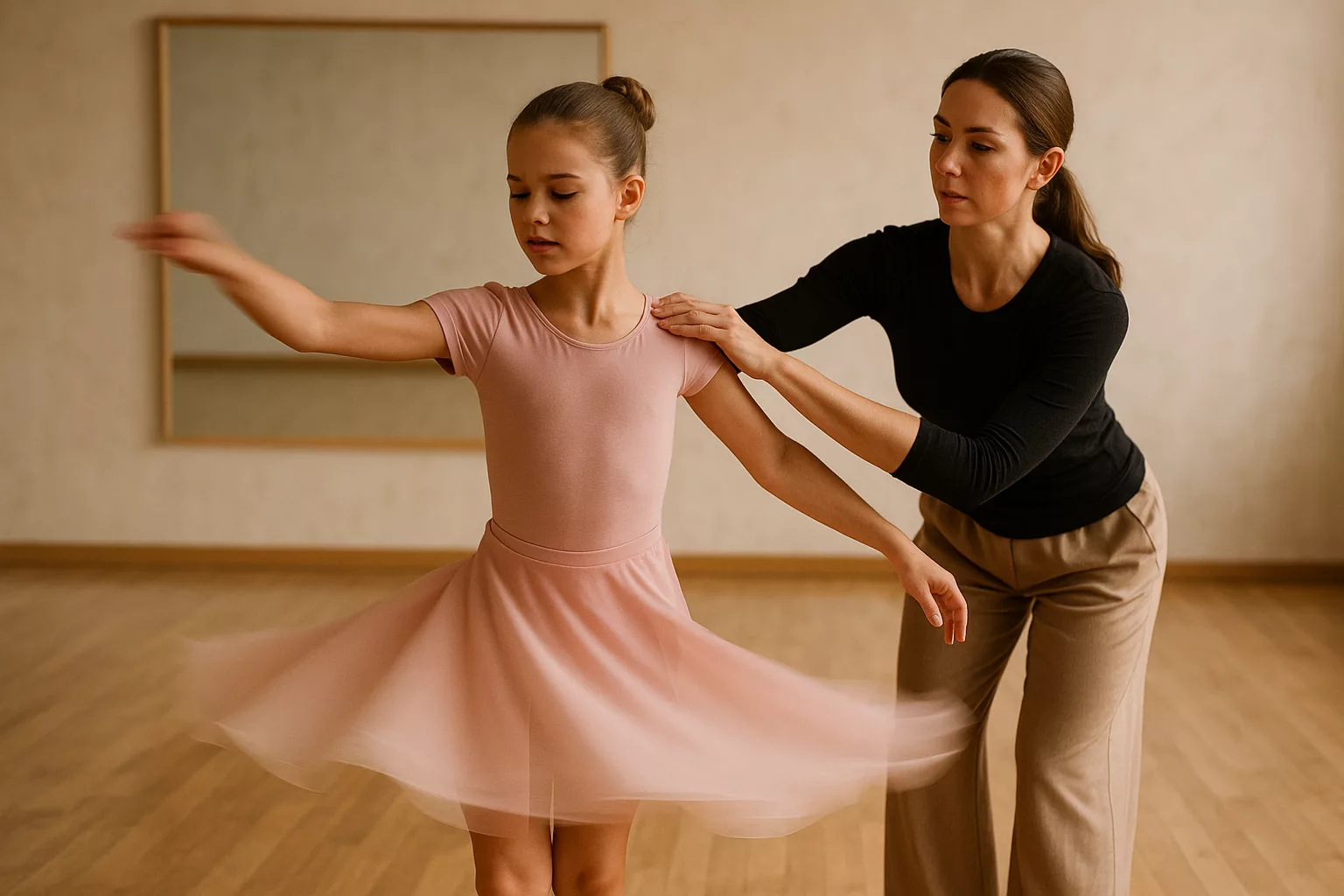
— Ballet — builds technique, posture and musicality; great foundation for other styles.
— Folk dance — connects children to regional and national traditions; often offered at cultural centers.
— Contemporary / modern — encourages creativity and expression.
— Hip-hop / street styles — energetic, appeals to older children and teens; great for rhythm and confidence.
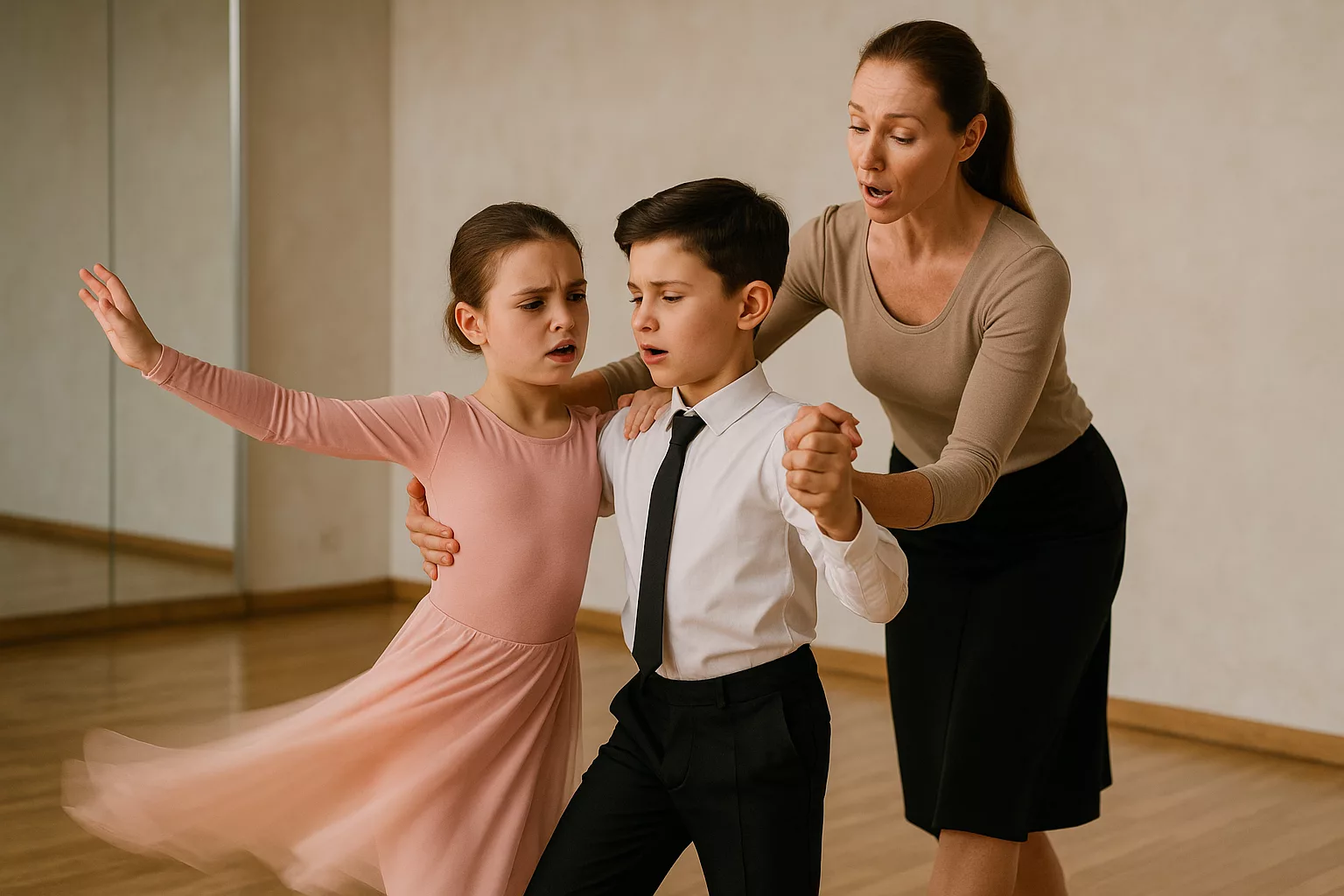
— Ballroom / Latin — social, elegant, good for teens interested in partner dancing.
— Jazz / musical theatre — performance-focused and expressive.
Age-appropriate guidelines
— Toddlers (2–4 years): short, play-based movement classes (30–45 minutes). Focus on rhythm, basic motor skills and fun.
— Early school age (5–7 years): 45–60 minute classes; introduction to basic technique and simple choreography.
— Middle childhood (8–12 years): 60–90 minute classes; technique, strength, and performance opportunities.
— Teens (13+): 90+ minute classes or multiple weekly sessions for more serious training; specialty classes and private coaching if pursuing competitions or vocational training.
How to choose the right dance school in Blagoveshchensk
Questions to ask and things to look for:
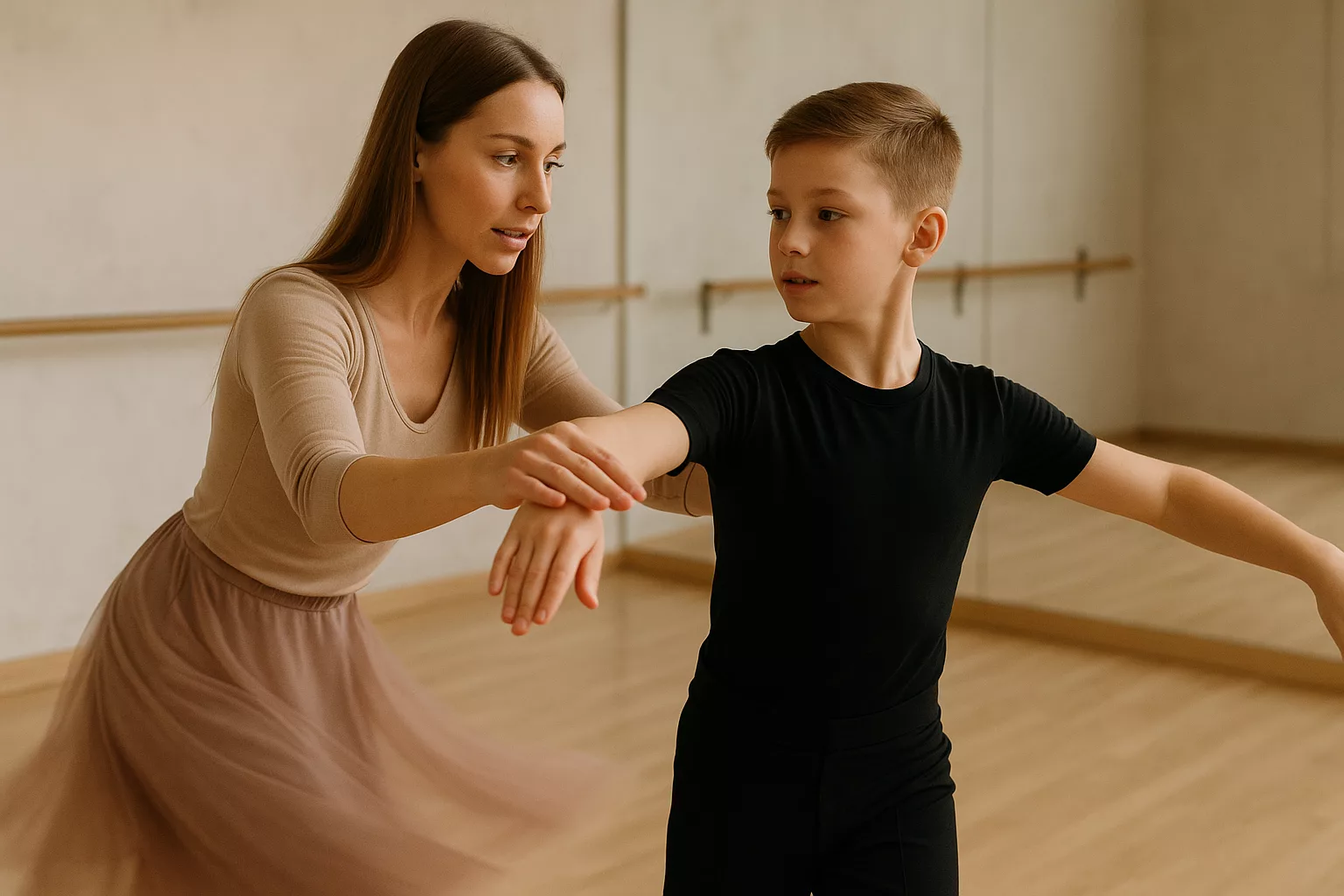
— Instructor qualifications: formal dance education, teaching experience with children, first-aid knowledge.
— Class structure: clear progression, age-appropriate curriculum, balanced mix of technique and creative work.
— Student-to-teacher ratio: smaller groups are better for individual attention.
— Safety and facilities: sprung floors or proper dance surfaces, clean studio, safe changing areas.
— Performance opportunities: in-house recitals, city festivals, collaboration with local cultural houses.
— Trial classes: many good schools offer a trial or observation session — use it.
— Reviews and reputation: community feedback on VK, Yandex, or parent groups.
Red flags:
— Overly intense focus on competitions for very young children.
— Lack of clear curriculum or very large class sizes.
— Poorly maintained space or unsafe flooring.
Preparing your child (practical tips)
— Dress the part: comfortable clothes; specific shoes for ballet, jazz, or ballroom when required.
— Pack water and a simple snack for longer evenings.
— Arrive early to warm up and settle in.
— Encourage practice at home but keep it fun — short, regular sessions work best.
— Support performance nerves: attend rehearsals and celebrate progress rather than only outcomes.
Schedule and commitment
— Casual learners: 1–2 classes per week is enough for fitness and fun.
— Dedicated students: 3–5 classes per week for marked improvement and performance readiness.
— Pre-professional: daily or near-daily training plus cross-training (stretching, conditioning).
Cost considerations
— Community centers and municipal children’s arts schools often offer more affordable options.
— Private studios may provide specialized instruction, smaller groups, and more performance opportunities.
— Factor in uniform/shoe costs, recital fees and occasional travel for competitions or festivals.
Finding classes and local resources in Blagoveshchensk
— Check municipal cultural institutions and the Детская школа искусств (Children’s School of Arts) for folk and classical programs.
— Search local listings on Yandex, Google Maps, VK (VKontakte) and parenting groups for updated schedules and reviews.
— Visit city cultural houses (Дома культуры) — they frequently host dance ensembles and workshops.
— Ask at schools and community centers for recommendations — many offer after-school programs.
— Attend local performances and festivals to see teachers and schools in action and to meet other parents.
Encouraging long-term growth
— Celebrate consistency and effort more than trophies.
— Encourage cross-training: gymnastics, swimming, or Pilates complement dance training.
— Discuss realistic goals with instructors: recreational enjoyment vs. competitive/professional track.
— Keep communication open between family, teacher and the child about workload and motivation.
Final thoughts
Dance education in Blagoveshchensk offers children and teenagers a wonderful mix of artistry, fitness and community. Whether your child wants to discover the joy of movement, connect with cultural roots through folk dance, or pursue professional choreography, there are paths to suit every age and ambition. Start with a trial class, ask the right questions, and let your child’s enthusiasm guide the next steps.
If you’d like, I can help draft a checklist to bring to trial classes or a short script of questions to call local schools. Which would you prefer?