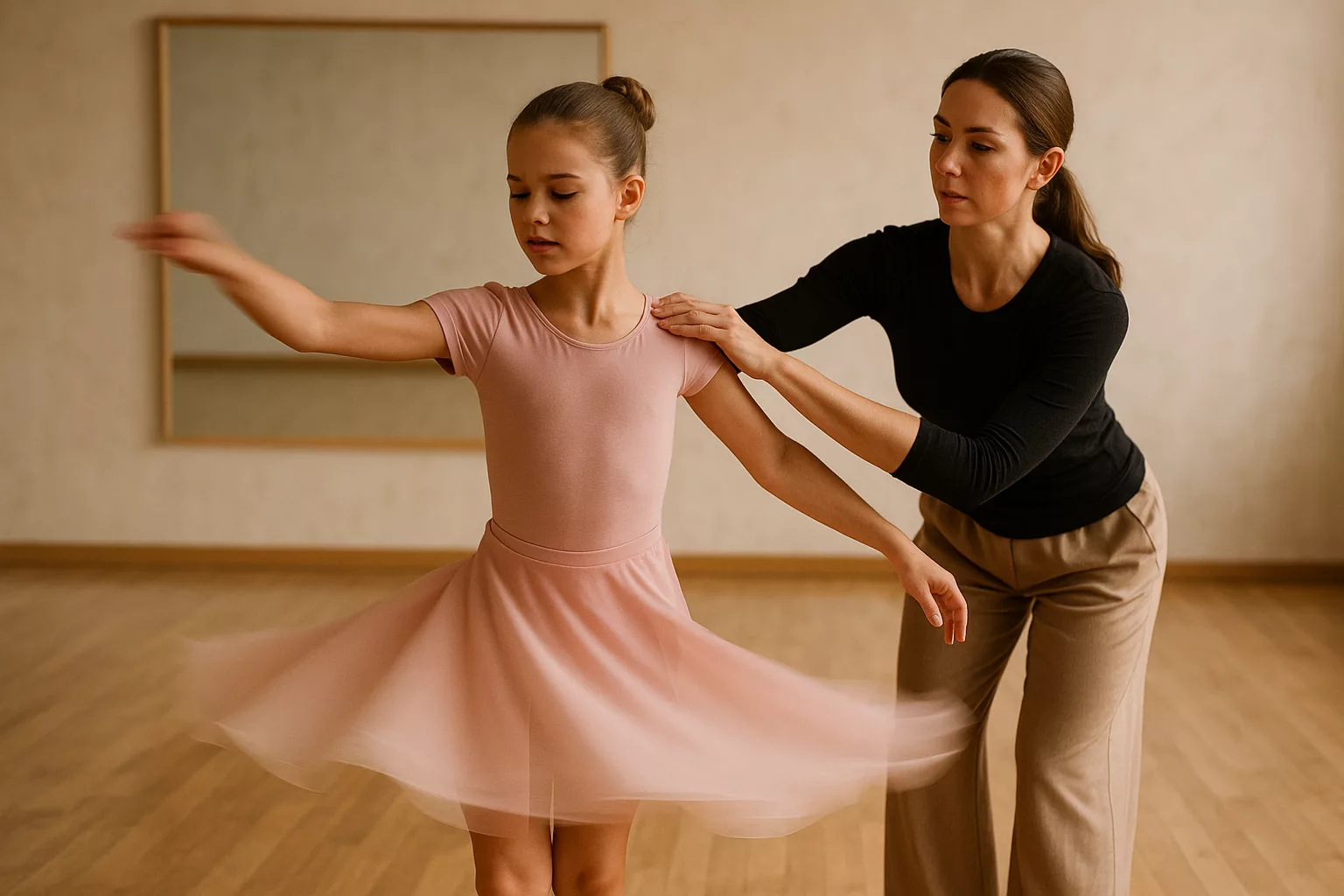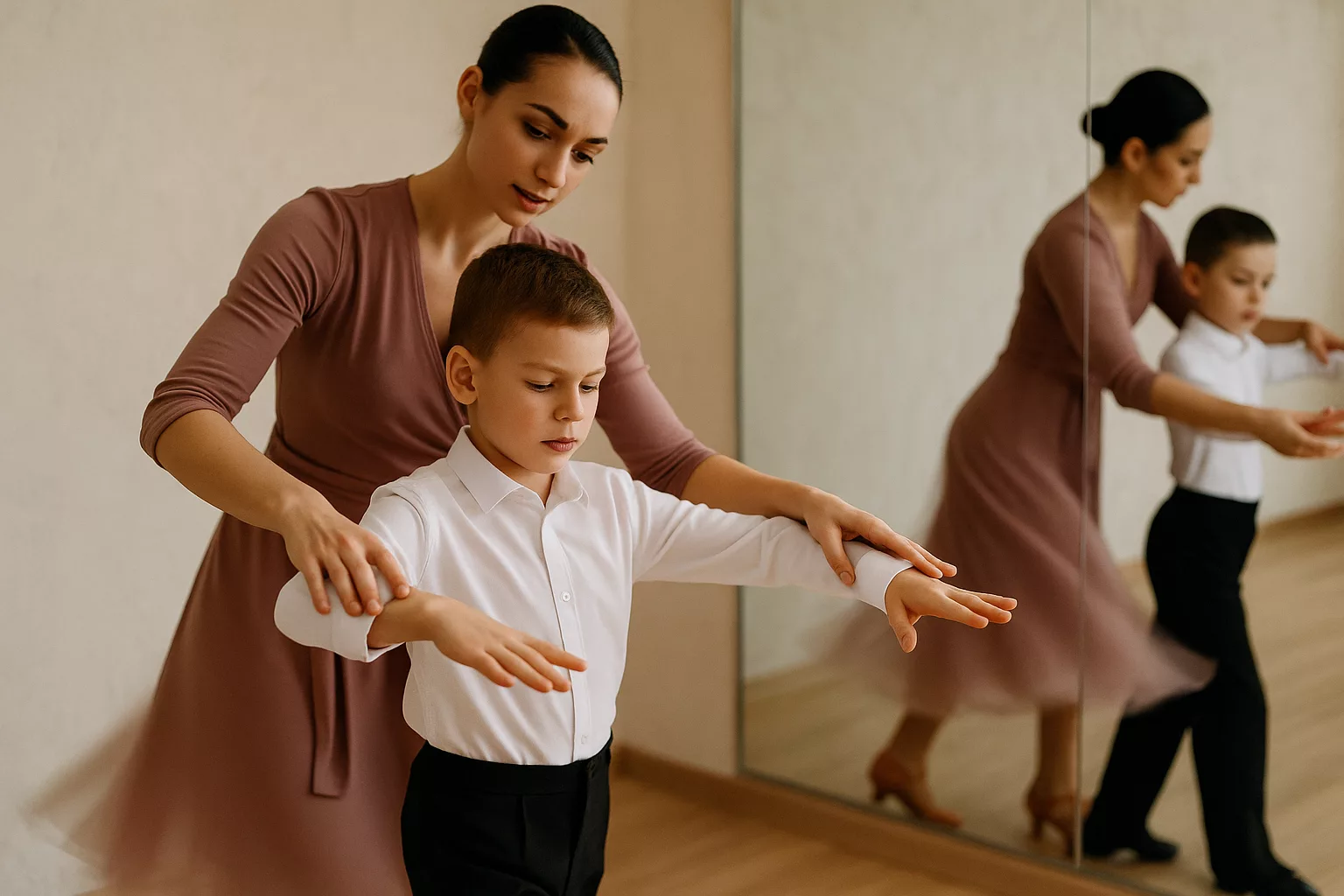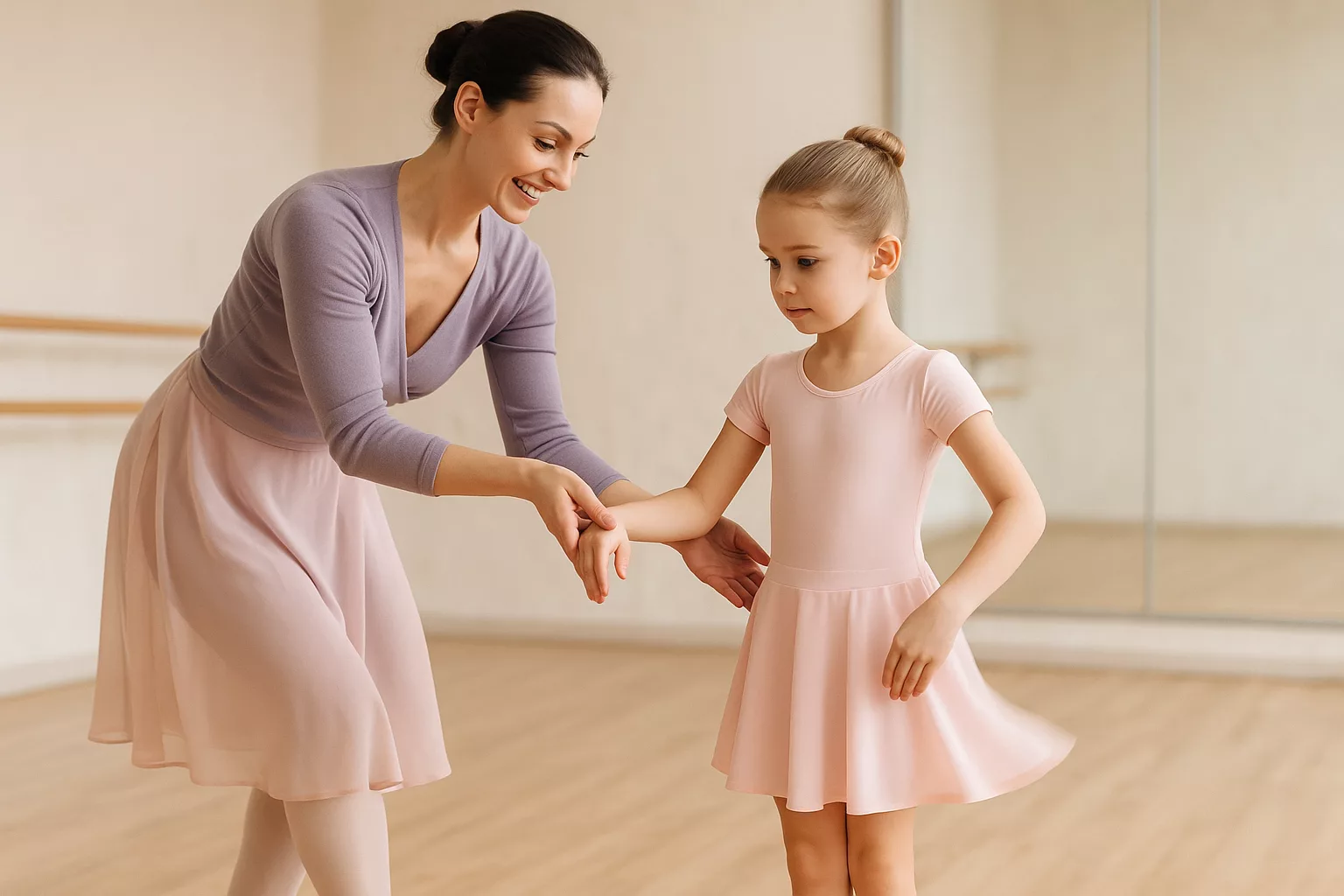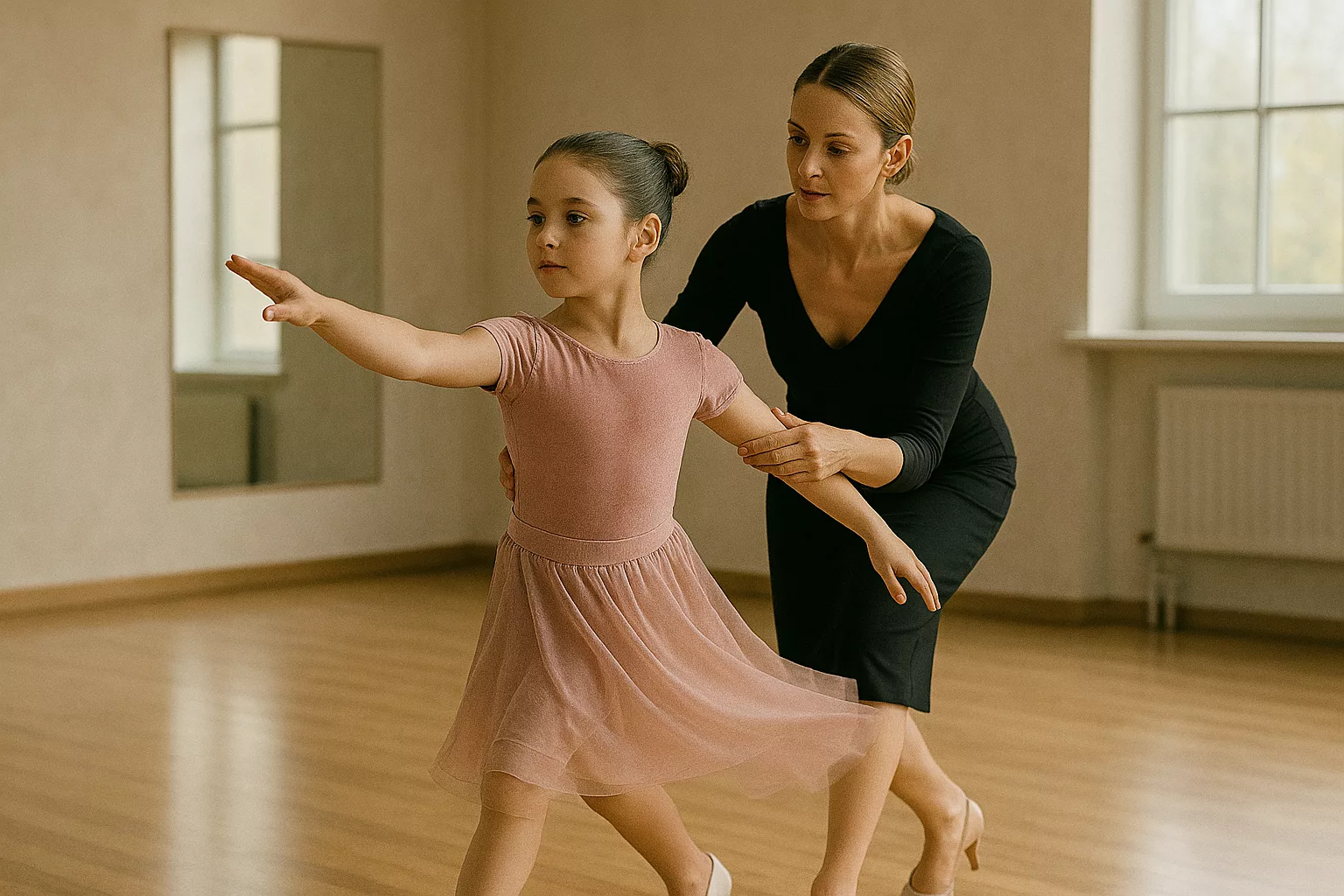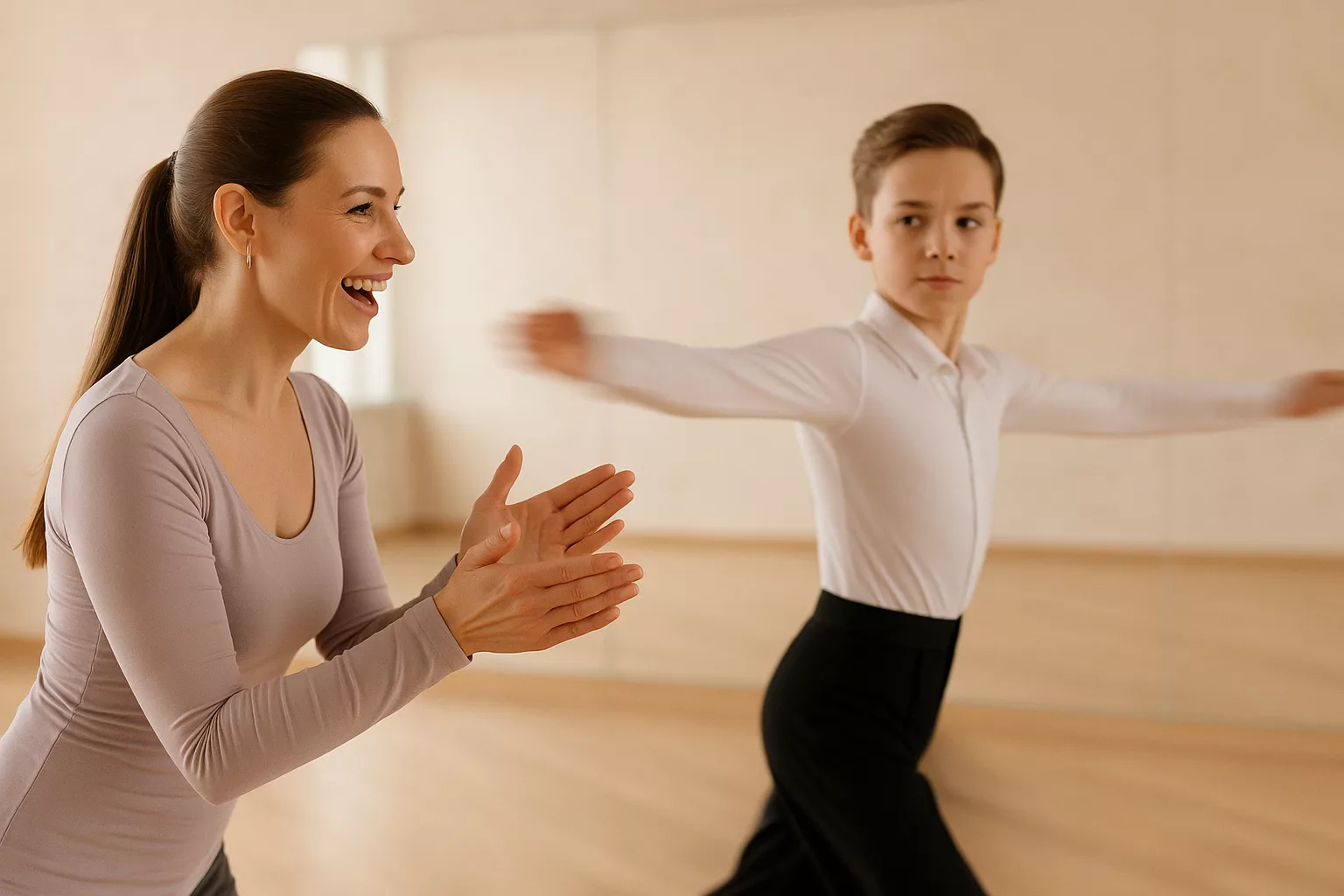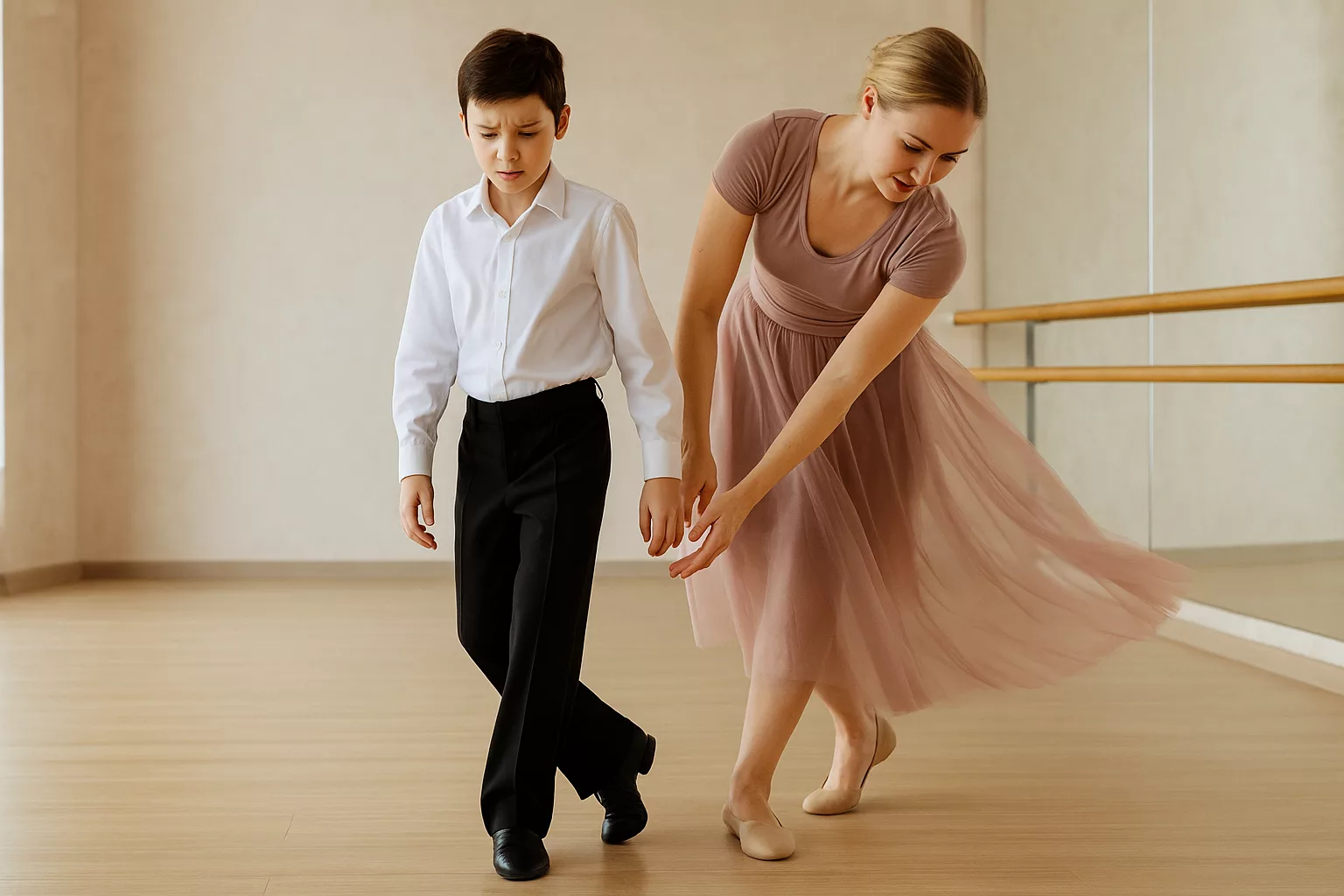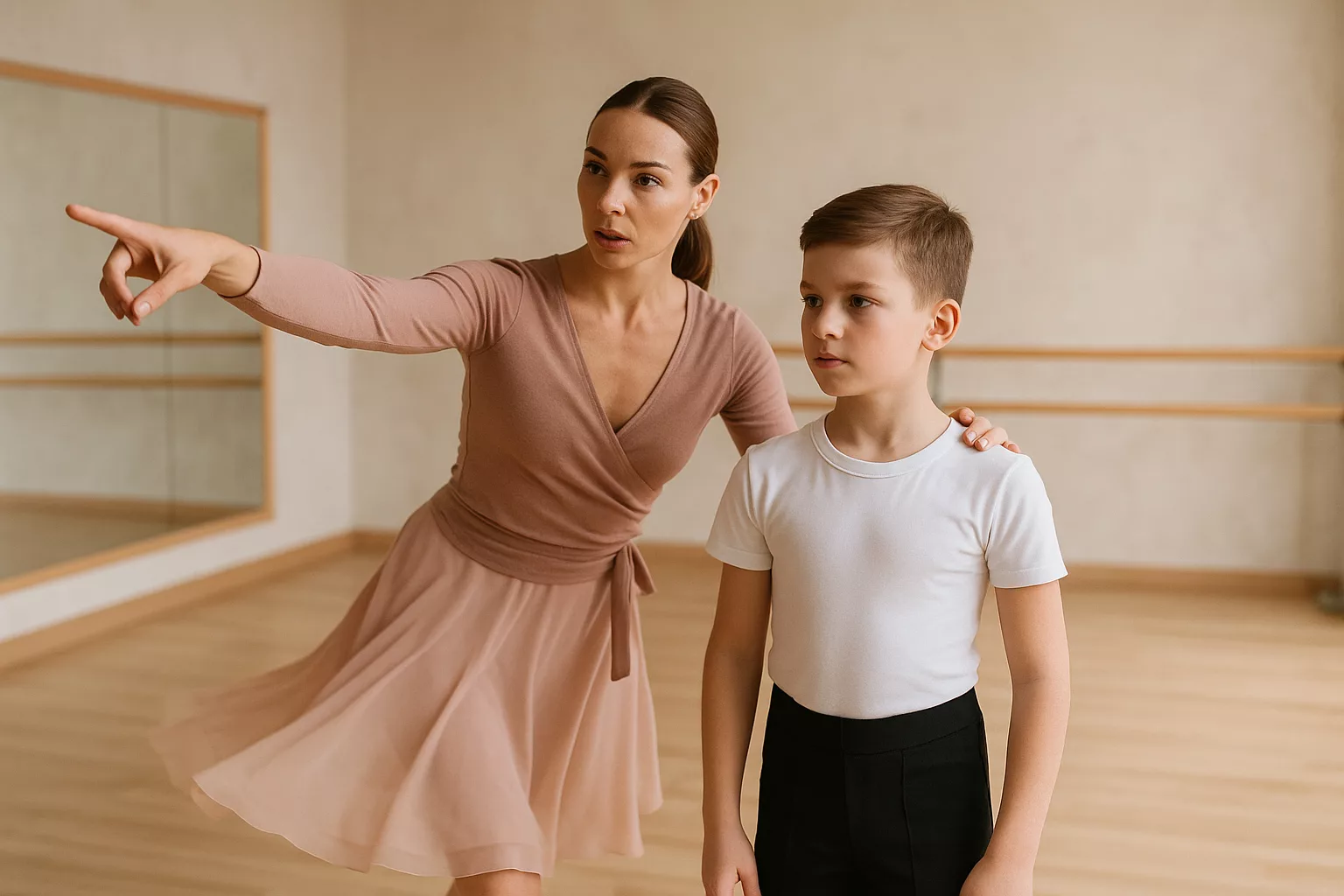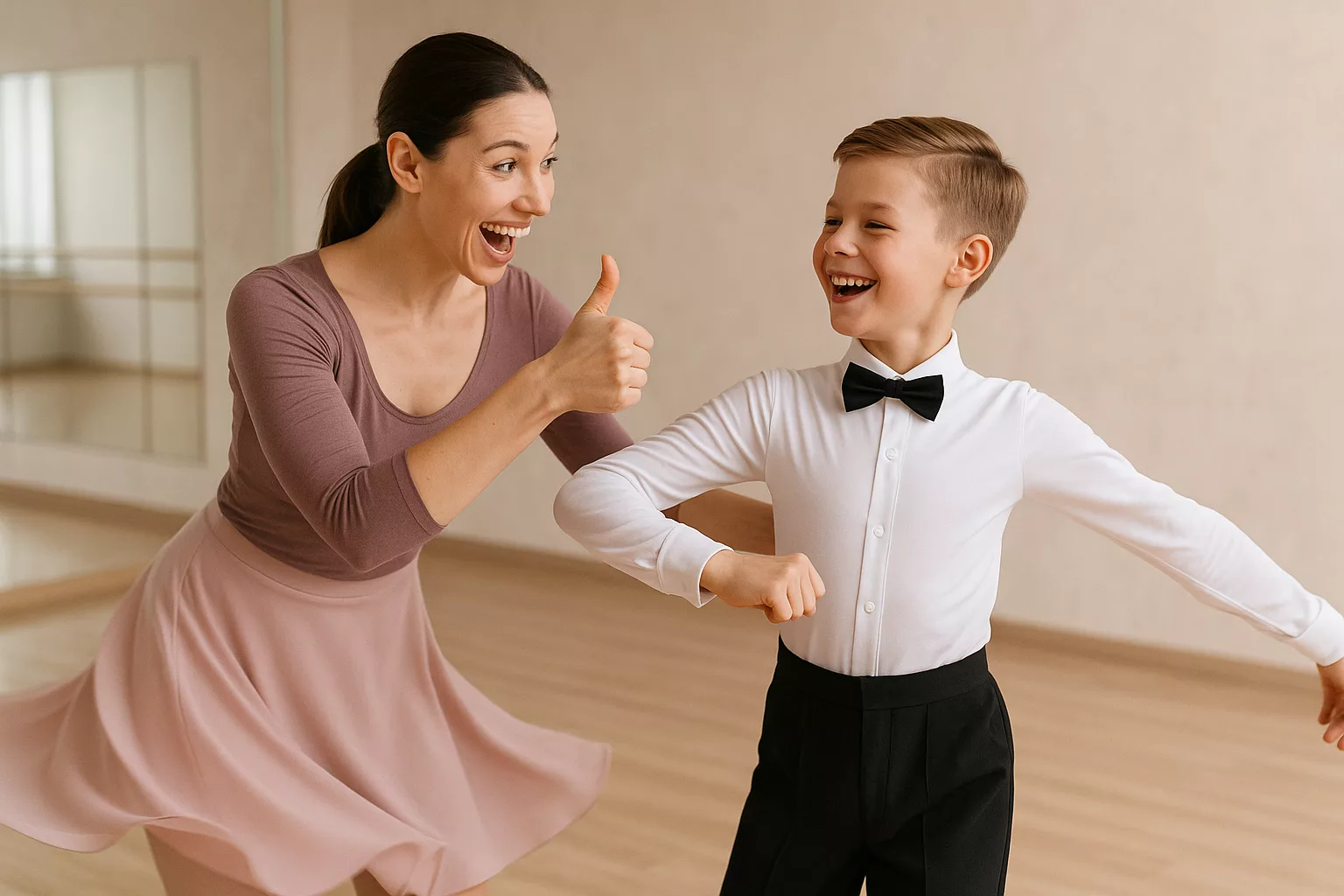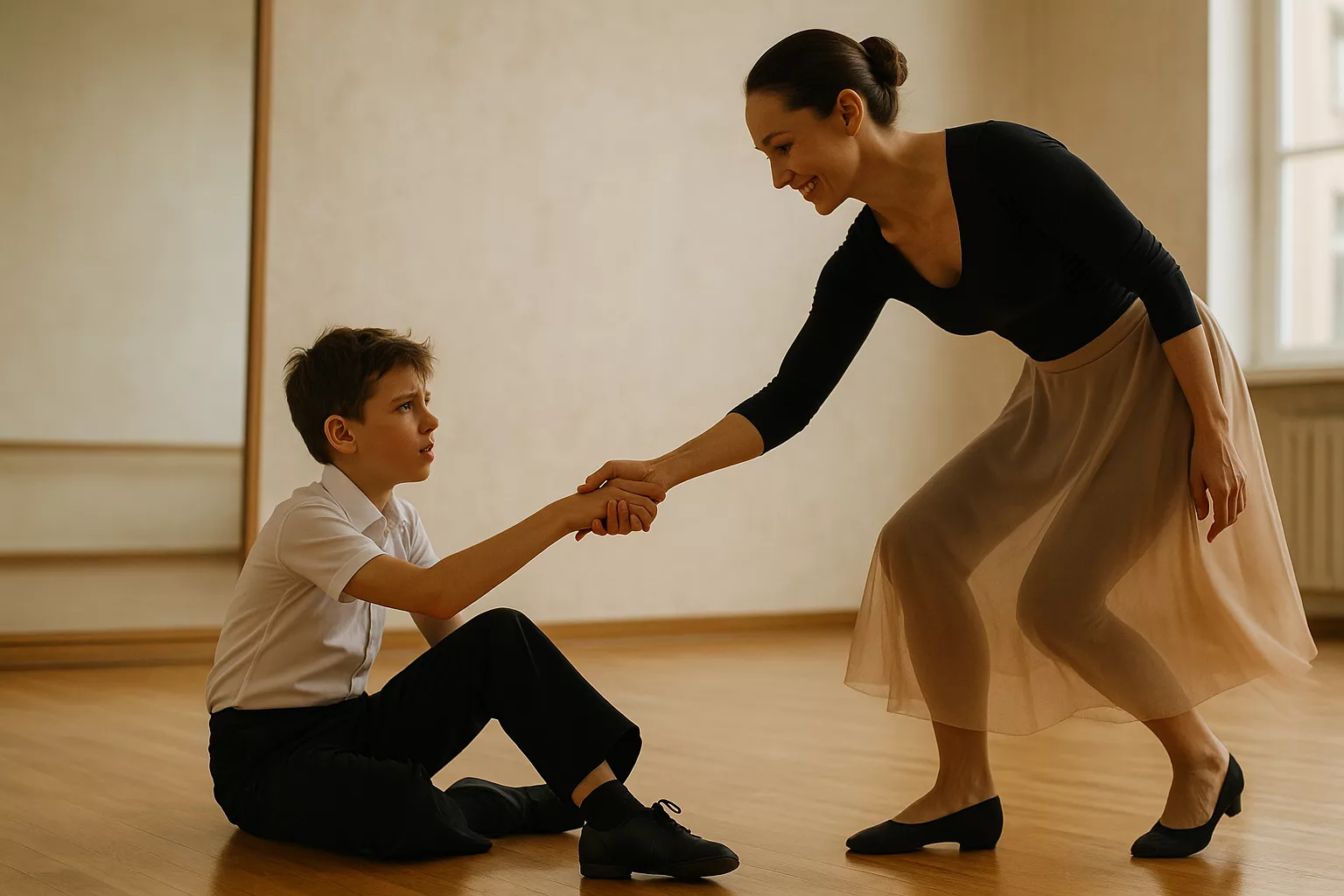
Dance education for children and teenagers in Blagoveshchensk
Blagoveshchensk has a proud cultural life on the Amur River, with municipal schools of arts, community centers and private studios offering dance for every age and interest. Whether you want your child to build confidence, stay fit, or pursue performing arts seriously, this guide will help you choose the right path locally.
Why dance is great for kids and teens
— *Physical health*: strength, flexibility, balance and endurance.
— *Cognitive benefits*: memory, concentration, discipline and creativity.
— *Social skills*: teamwork, communication, and empathy.
— *Emotional development*: confidence, stress relief, and stage presence.
— *Cultural connection*: Russian folk dance traditions, community events and festivals offer local performance chances.
Which styles suit which ages
— Ages 3–5: creative movement, pre-ballet — focus on play, rhythm, basic coordination.
— Ages 5–8: classical ballet basics, folk dance (народный танец), beginners’ hip‑hop/jazz.
— Ages 9–13: more technical ballet, contemporary, jazz, acro, ballroom and intensified hip‑hop.
— Teens (14+): pre-professional ballet, contemporary choreography, competitive ballroom, commercial/urban styles and choreography/composition courses.
Where to look in Blagoveshchensk
— Municipal institutions: *Детская школа искусств (ДШИ)* and houses of culture often run subsidized programs and folk ensembles.
— Cultural institutions and theaters: local theaters and music schools sometimes offer youth dance classes and performance opportunities.
— Private studios and dance schools: often flexible schedules, commercial styles, and competition teams.
— Sports clubs and rhythmic gymnastics halls for acro and performance athletics.
— How to find them: Yandex Maps, VKontakte/Instagram pages, local parent groups, the city Department of Culture, and school bulletin boards.
How to choose the right class
Ask or check for:
— Teacher qualifications and experience (pedagogy, performance, certifications).
— Class size and age grouping — small groups give more attention.
— Curriculum structure and progression (technical training vs. recreational).
— Opportunities to perform or compete if your child is interested.
— Trial lesson availability and transparent pricing.
— Safety and facilities: sprung floors for ballet/acrobatic classes, first aid, safe changing areas.
— Local reputation and parent reviews — ask other parents or watch a class.
Typical class structure & commitment
— Warm-up and conditioning, technique work, combination/choreography, cool-down.
— Recreational: 1–2 classes/week; hobby outcomes and social benefits.
— Developmental: 2–4 classes/week for solid progress.
— Pre-professional: daily or 4–6 times/week with cross‑training (pilates, strength, stretch).
— Expect annual recitals, city festivals and occasional exams or competitions.
Costs and support
— Municipal programs tend to be more affordable and may offer subsidies or scholarships.
— Private studios vary widely in price depending on teacher reputation and facilities.
— Ask about additional costs: uniforms, shoes, costumes for performances, contest fees, trips.
Preparing your child for class
— What to bring: appropriate shoes (ballet slippers, jazz shoes, sneakers), comfortable clothing, water bottle, hair tied back.
— Teach punctuality, respect for the teacher and peers, and consistent attendance.
— Encourage healthy sleep and nutrition—dance demands energy and recovery.
— Know basics of injury prevention: warm-up, gradual workload increase, and professional care if needed.
For motivated teens considering dance seriously
— Look for pre‑professional or college-preparatory programs and audition opportunities.
— Seek choreography and improvisation classes as well as technique.
— Consider cross‑training: Pilates, strength, and conditioning.
— Attend local performances and workshops — networking with teachers and choreographers helps growth.
Practical tips for Blagoveshchensk parents
— Start with trial lessons in several schools before committing.
— Enroll in September when many groups form, but mid-year placements are often possible.
— Use local cultural calendars (city portal, VK) to find performances and masterclasses.
— Balance school and training—avoid burnout by monitoring academics and rest.
— Encourage but don’t push; keep dance fun at early stages.
Final checklist before enrolling
— Did you watch a lesson or attend a trial class?
— Is the teacher experienced and communicative?
— Is the facility safe and appropriate for the chosen style?
— Are costs and time commitments clear?
— Does the program match your child’s goals (recreational, development, competitive)?
Dance can transform a child